Products





24 HOURS SERVICE


CUSTOM SERVICE


INSTALLATION SERVICE


INTELLIGENT SCHEME


PRODUCTION PROCESS
PRODUCT
PRODUCT
Open+
Close-
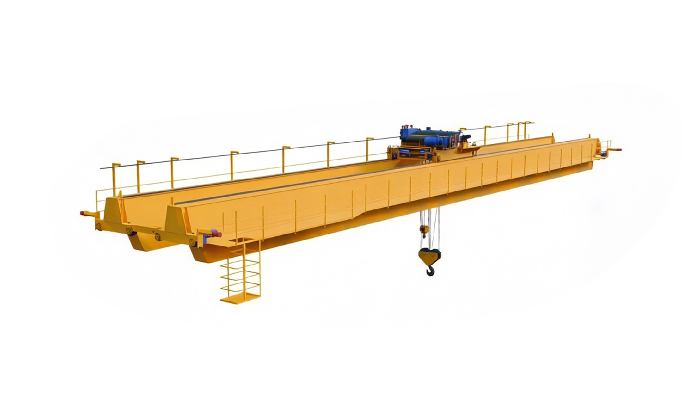
Special quenching crane
PRODUCT DETAILS
Open+
Close-
Rated lifting capacity 20 t – 250 t
Applicable span 10.5 m – 40 m
Lifting height 10 m – 36 m
Duty class A7 – A8
Deion
The fully automatic quenching crane is a fully automated unmanned overhead crane specially designed for the “quenching” process in metal heat treatment. Its core value lies in unmanned operation, high precision, and high safety, enabling stable operation in harsh high‑temperature environments throughout the entire process.
The crane adopts a double‑girder, double‑rail box‑section welded structure, commonly using high‑strength steel Q345B to ensure excellent torsional rigidity and stability over large spans. The hoisting mechanism is a single‑drive double‑drum structure, equipped with an automatic wire rope levelling device to ensure the synchronisation accuracy of the two lifting points ≤3 mm.
The electrical control system acts as the brain, integrating control elements, position detection (absolute encoders, laser distance measurement, etc.), and safety detection components. The travel mechanism uses three‑in‑one drive motors and anti‑twist wheel sets to drive the whole crane smoothly.
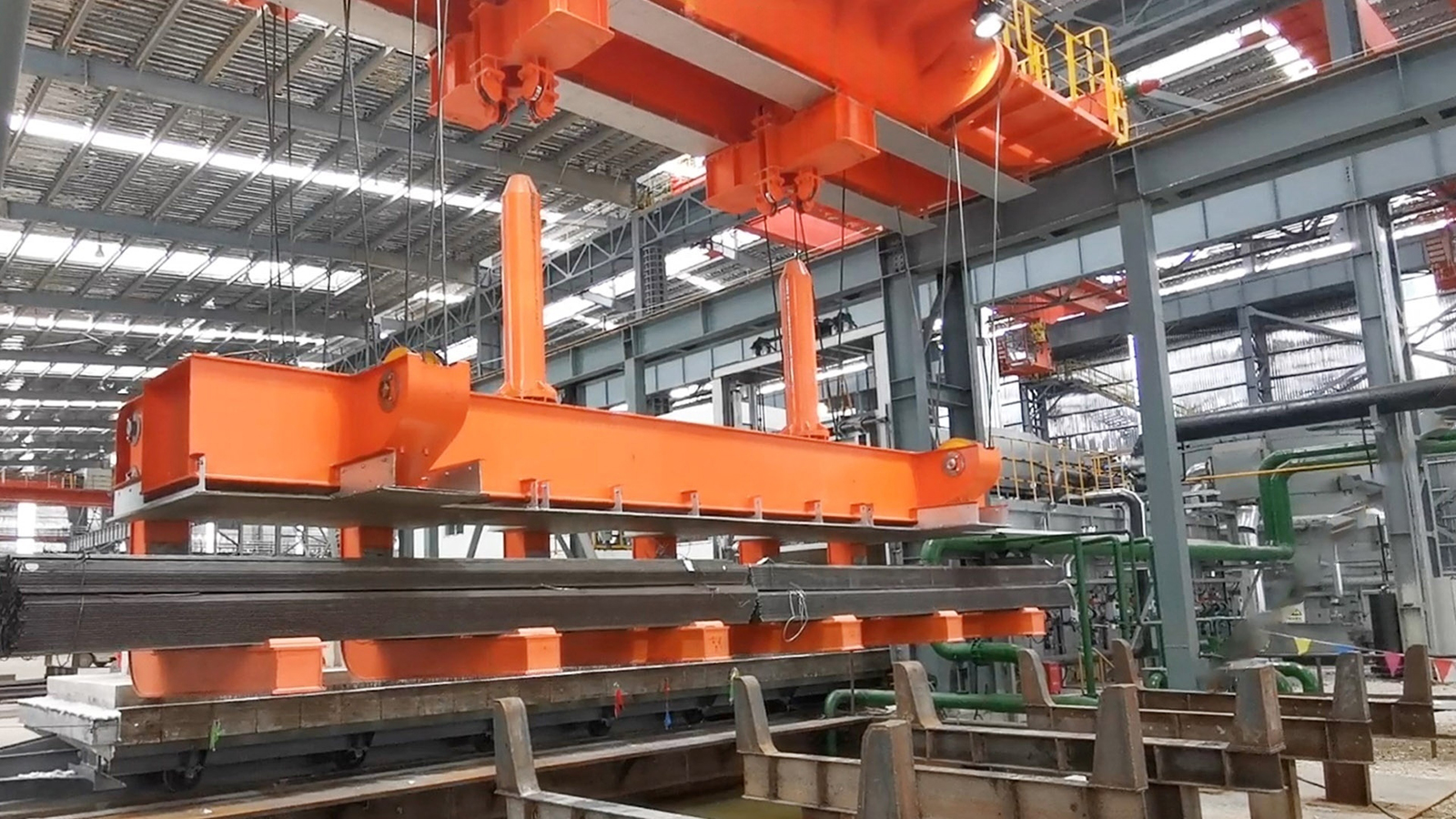
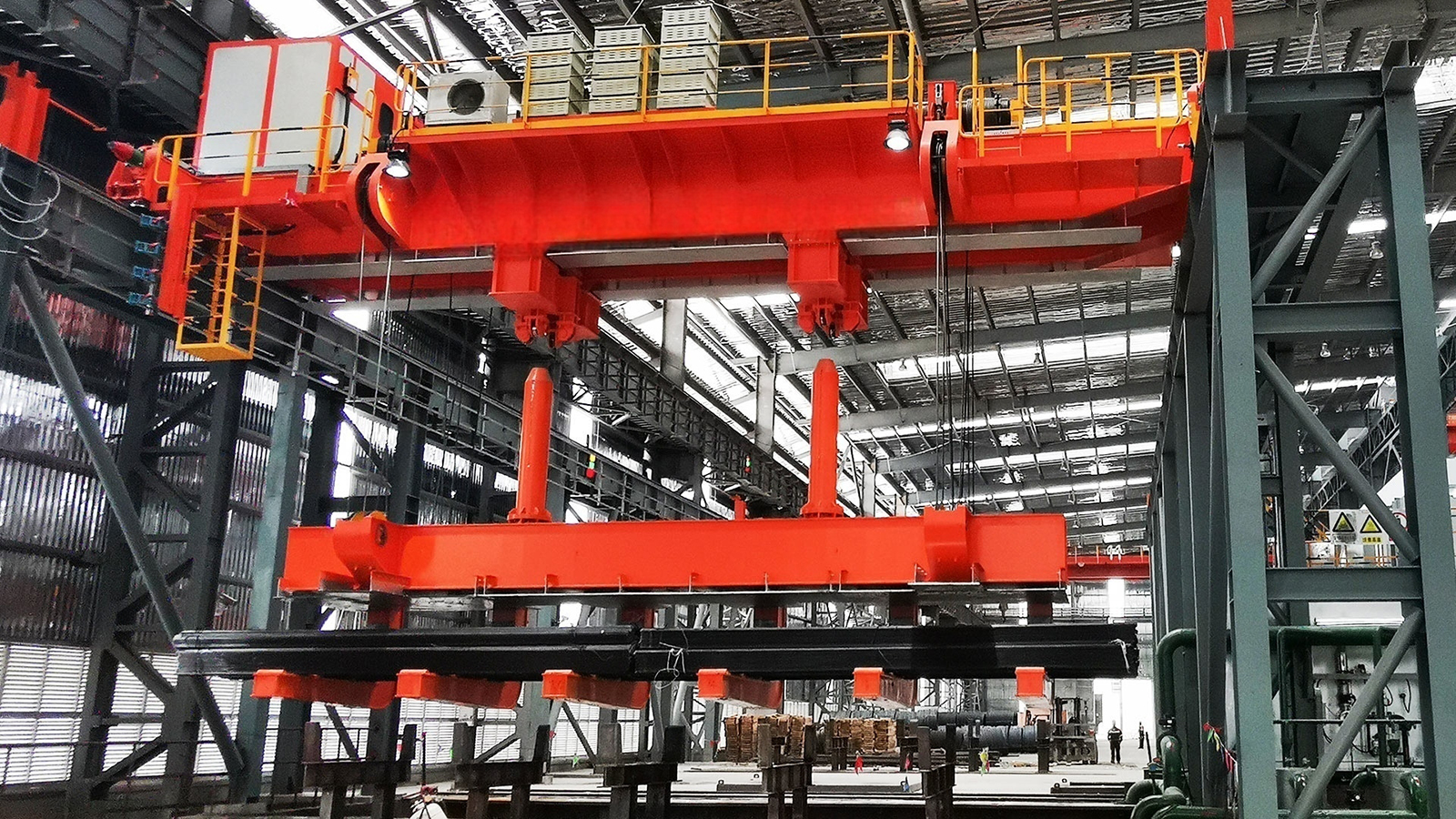
A special heat‑resistant C‑hook spreader is typically used, with a modular, detachable pin connection for easy maintenance, and the hook is equipped with an anti‑detachment device. Comprehensive safety features include an emergency release brake mechanism, overspeed protection device, emergency brake release mechanism, and overload limiter.
The fully automatic operation mode enables unmanned operation. Through the PLC receiving instructions from an upper‑level system such as MES, the crane can continuously and autonomously complete the entire complex process including lifting, immersing, raising, and transporting. The intelligent multi‑level control system supports three levels of control: wireless remote control, ground control, and remote upper‑level system control, using high‑reliability components such as Siemens PLC and Schneider explosion‑proof wireless communication. Semi‑automatic and manual modes are also available.
High‑temperature resistance and strong adaptability design: To withstand heat waves, oil mist, and steam during quenching, the electrical system and operator’s cab (equipped with heat insulation, cooling facilities, and emergency escape measures) adopt heat‑insulated and splash‑proof structures. The wire rope is also selected as steel‑core wire rope to enhance durability.
Absolute encoders and laser correction are used to achieve a repeatable positioning accuracy of ±1 mm, ensuring the workpiece is precisely immersed into the quenching medium, reaching millimetre‑level positioning accuracy. Anti‑sway technology + rigid guide columns + horizontal guide wheels are adopted to control load swing within ±5 mm during lifting and travel, while also providing anti‑collision protection, enabling gentle lifting and lowering.
Main application scenarios
1.Iron and steel metallurgy: Quenching of high‑temperature profiles such as bars, wires, pipes, and billets.
2.Forging industry: Quenching processes for various large shaft‑type and disc‑type forgings.
3.Aerospace and shipbuilding: Heat treatment of extremely high‑requirement components such as aero‑engine main shafts, landing gear parts, and large ship crankshafts.
PRODUCT INFO
Open+
Close-
Features
1.The hoisting mechanism adopts a single-drive double-drum structure, ensuring synchronous lifting of the two lifting points, and can quickly level the spreader via a wire rope adjustment device.
2.The whole crane is equipped with rigid guide columns and horizontal guide wheel devices, providing anti-sway and precise positioning functions.
3.Equipped with a special spreader bar for quenching C‑hooks. Multiple C‑hooks are provided with removable pin assemblies. The connection positions are set on the side, facilitating maintenance and effectively increasing the lifting space.
4.The intelligent control system uses well‑known brand wireless communication equipment to realize information exchange between the remote control station and the crane, and has remote control and fully automatic control modes.
5.High‑precision positioning uses absolute encoders and position detection switches for automatic correction to avoid error accumulation, achieving high‑precision positioning.
6.The control system receives commands from the host system to achieve fully automatic operation. It features stable handling, gentle lifting/lowering, rapid cooling, anti‑collision, and other functions.

PRODUCT PHOTO

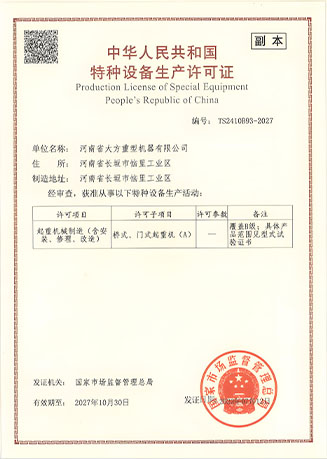
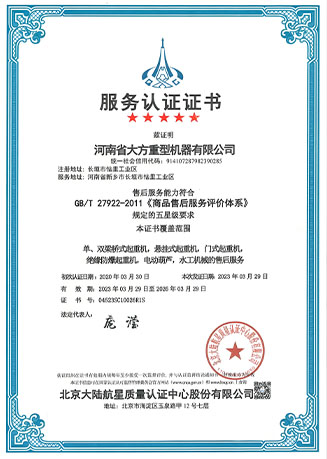
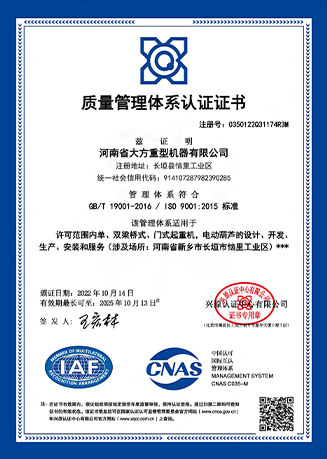
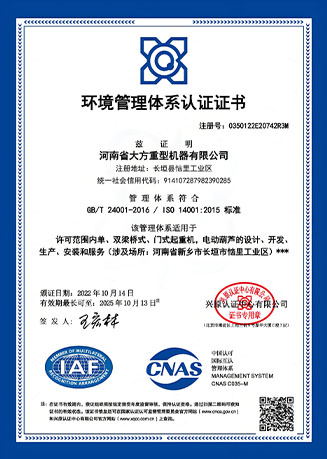
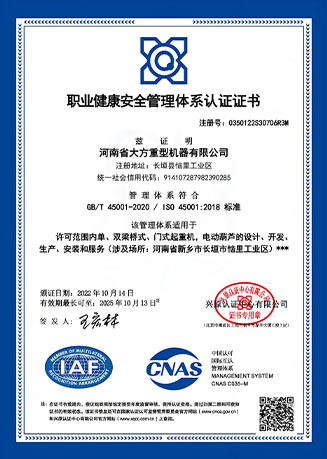
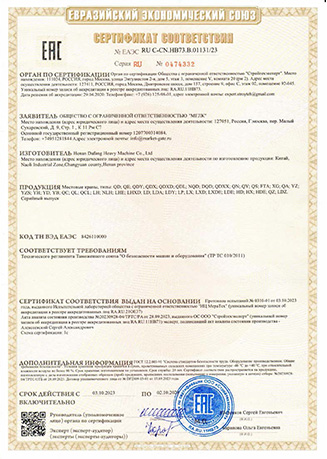
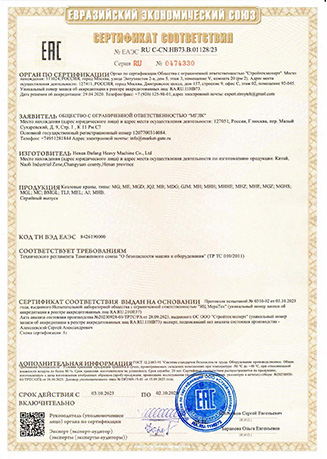
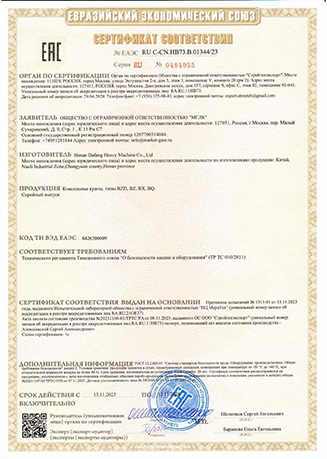
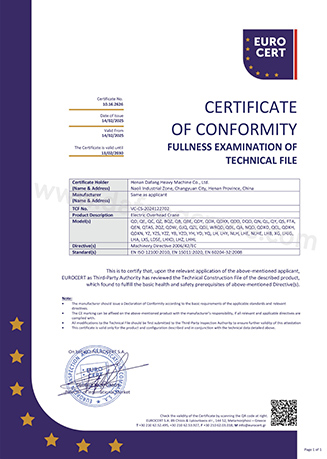


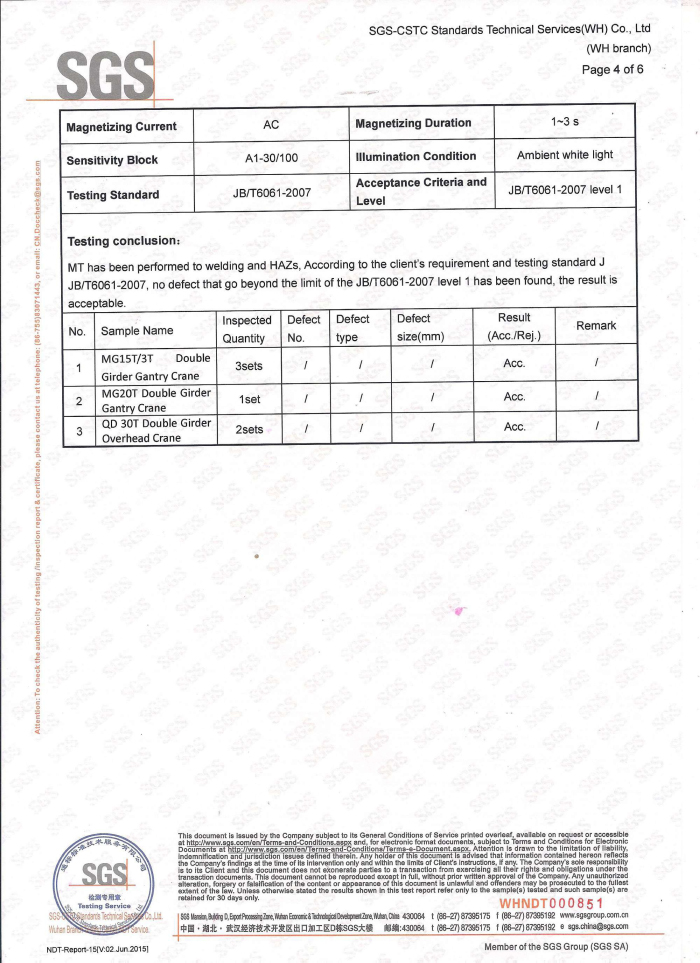
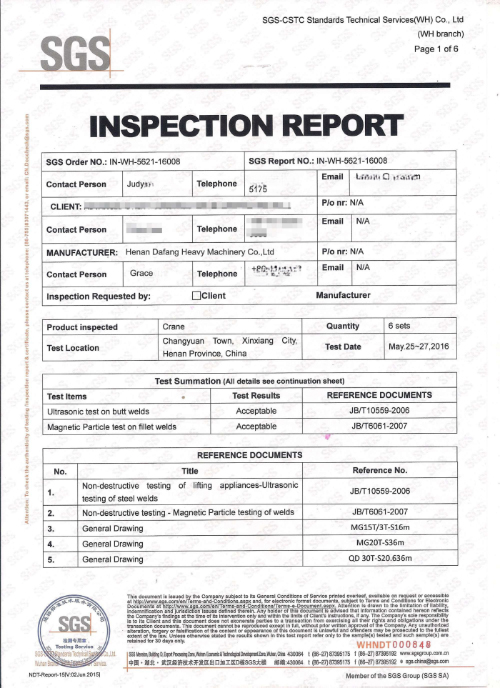
Certificate