Products





24 HOURS SERVICE


CUSTOM SERVICE


INSTALLATION SERVICE


INTELLIGENT SCHEME


PRODUCTION PROCESS
PRODUCT
PRODUCT
Open+
Close-
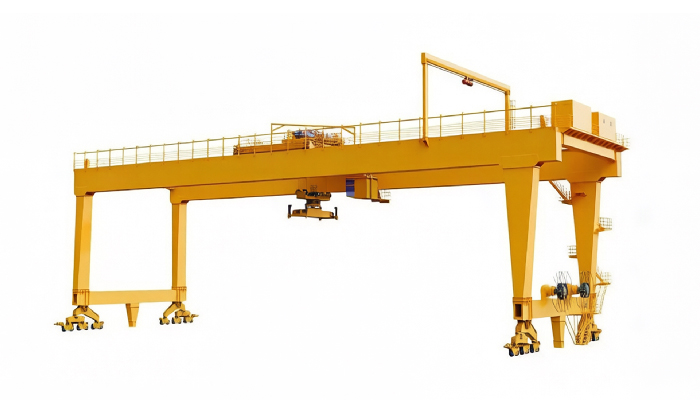
Container gantry crane
PRODUCT DETAILS
Open+
Close-
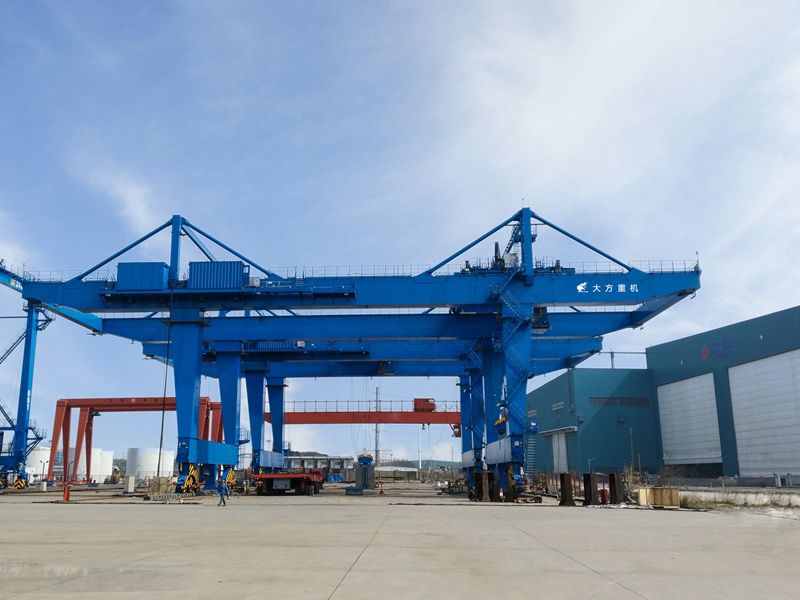
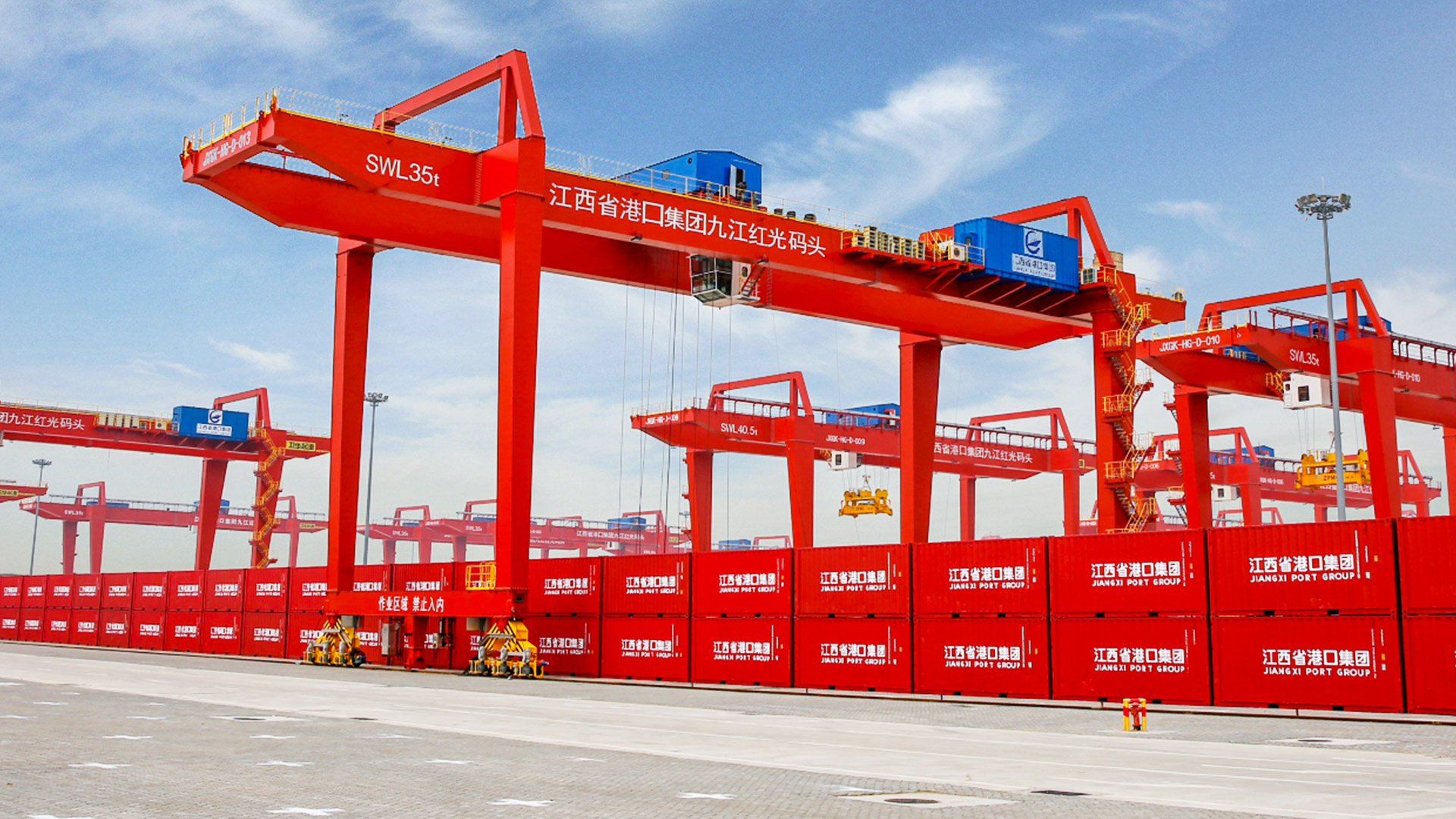
RTG (Rubber‑Tired Gantry Crane)
Rated lifting capacity (under spreader) 35 t, 40 t, 41 t
Span approx. 23.47 m
Lifting height 12.2 m – 17.8 m
Duty class A6 – A8
RMG (Rail‑Mounted Gantry Crane)
Rated lifting capacity (under spreader) 30 t – 70 t
Span 20 m – 40 m
Lifting height 12 m – 30 m
Duty class A6 – A8
Deion
Container gantry cranes are special lifting devices dedicated to handling, stacking, and horizontal transport of standard containers in ports, railway freight yards, container depots, and other locations. They are usually equipped with a dedicated hydraulic telescopic and rotatable spreader to handle containers of different sizes (20 ft, 40 ft, 45 ft, etc.). With advantages such as high operating efficiency, high yard utilisation, low failure rate, low energy consumption, and low operating costs, these cranes play a central role in modern logistics and port operations.
Container gantry cranes are mainly divided into two types according to their travel mechanism:
Rubber‑Tired Gantry Crane (RTG)
The RTG uses rubber tyres as its travel device, allowing it to move freely within the yard and perform 90° right‑angle turns, flexibly transferring from one container block to another. It therefore offers extremely high operational flexibility and mobility.
The RTG's high manoeuvrability and good adaptability to yard conditions make it a preferred choice for many container terminal yards when selecting equipment. Its power source is usually a diesel generator set, but it can also be supplied by mains electricity.
Remote control or fully automatic operation can be optionally equipped, enabling functions such as automatic positioning, automatic stacking, intelligent trajectory control, etc., greatly improving operating efficiency and safety.
Rail‑Mounted Gantry Crane (RMG)
The RMG runs on fixed rails supported by multiple sets of steel wheels.
The RMG structure generally consists of main girders, rigid and flexible legs, a travelling trolley, a hoisting mechanism, a crane travel mechanism, an electrical system, and an operator’s cab. According to yard operation processes, various structural forms are available: no cantilever, single cantilever, or double cantilever.
The RMG is also widely used in modern container terminals due to its advantages of high operating efficiency, high yard utilisation, low energy consumption, low operating costs, and environmental friendliness.
Remote control or fully automatic operation can be optionally equipped, enabling functions such as automatic positioning, automatic stacking, intelligent trajectory control, etc., greatly improving operating efficiency and safety.
Structure and components
Container gantry cranes usually adopt a double‑main‑girder portal structure. The portal consists of two main girders, rigid legs, and flexible legs. The main girders are of box‑section design, offering high strength and high rigidity to withstand heavy loads and wind loads. The arrangement of rigid and flexible legs accommodates temperature stresses and structural deformations during long‑span travel. According to yard process requirements, the portal can be designed as no cantilever, single cantilever, or double cantilever.
The crane travel mechanism drives the entire crane longitudinally along rails (RMG) or on the ground (RTG). RMG uses multiple sets of steel wheels running on rails, while RTG uses rubber tyres for travel.
The trolley assembly moves transversely along the rails on the main girders, with a dedicated container spreader suspended underneath to achieve transverse positioning of containers.
The hoisting mechanism is responsible for the vertical lifting and lowering of the spreader and container. A wire rope hoisting system is used. RMG often adopts a dual‑spreader system to handle one 40‑ft container or two 20‑ft containers simultaneously, significantly improving operating efficiency.
The dedicated container spreader is equipped with hydraulic telescopic and rotation functions, suitable for standard containers of different sizes (20 ft, 40 ft, 45 ft, etc.) as well as railway wide containers. High‑profile container cranes can be equipped with spreaders having rotation, anti‑eccentric loading, printing, and other functions.
The whole crane uses AC frequency drive and PLC control technology to achieve stepless speed regulation and precise control of the hoisting, trolley travel, and crane travel mechanisms. RMG generally uses full frequency drive and can be equipped with an energy feedback system that returns lowering potential energy to the power grid, saving energy.
Optional functions include CMS intelligent service management, automatic operation positioning, intelligent container pickup/landing, intelligent trajectory control, etc.
To reduce sway during container lifting, the crane is usually equipped with an anti‑sway system. Standard configuration includes a two‑way flexible resistance anti‑sway system. Optional multi‑function frequency‑controlled anti‑sway micro‑movement system or electronic anti‑sway system can be selected for better anti‑sway performance. RMG can also optionally be equipped with an eight‑rope anti‑sway system, optimised for special working conditions such as railway container operations, ensuring smooth and efficient operation.
Main application scenarios
Ports and terminals: For efficient loading/unloading, storage, and transshipment of import/export containers, supporting high‑throughput operations and meeting the fast handling requirements of large vessels.
Railway freight yards: For rapid transfer between railway wide containers / standard containers and road transport, optimising multi‑modal transport processes.
Intermodal centres and inland container depots: For rapid stacking and transfer of containers at road/rail/water intermodal hubs.
Warehousing and logistics centres / distribution centres: For storage, dispatching, and distribution of large containers.
Large industrial facilities: Can be customised according to specific requirements to provide reliable container handling solutions.
PRODUCT INFO
Open+
Close-
Core Features
High operating efficiency: The dual‑spreader design enables lifting two 20‑foot containers simultaneously, with handling capacity ranging from 30 to 100 tons, significantly improving loading/unloading efficiency, especially suitable for high‑throughput container yards.
Precise positioning and anti‑sway control: Equipped with an intelligent positioning system and multi‑level anti‑sway technology (flexible resistance anti‑sway, electronic anti‑sway, etc.), ensuring fast and stable alignment, reducing sway, and improving operating accuracy and efficiency.
Automation and intelligence: Supports automatic stacking, intelligent path planning, remote monitoring and other functions. It can be integrated with the yard management system to achieve unmanned / minimal‑staff automated operation, reducing manual intervention.
Robust and durable structure: Made of high‑strength steel with an optimised box‑section girder structure, offering excellent wind resistance and seismic performance.
Multiple operation modes: Provides various modes such as manual, semi‑automatic, and fully automatic remote operation. The technology is advanced and the performance is stable, flexibly adapting to the operation needs of different yards.
Comprehensive safety protection: Equipped with overload protection, limit switches, anemometers, anti‑collision devices, dynamic safety scanning, high‑wind alarms and other full safety measures. The safety monitoring system of the hoisting mechanism provides real‑time status monitoring.

PRODUCT PHOTO

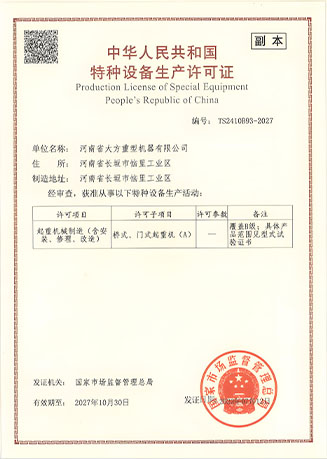
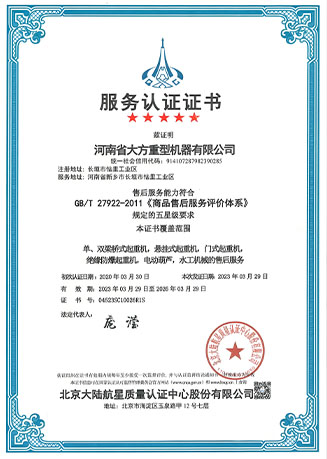
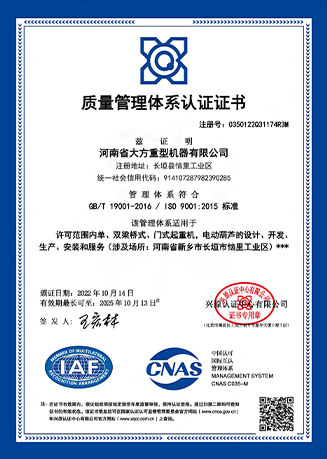
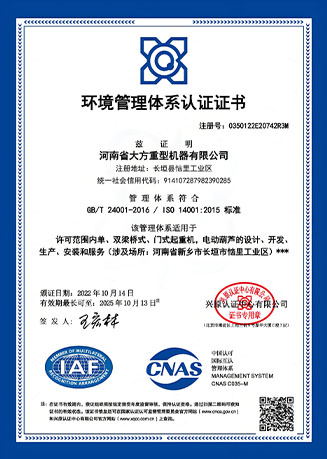
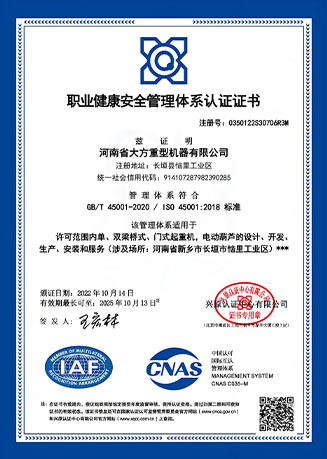
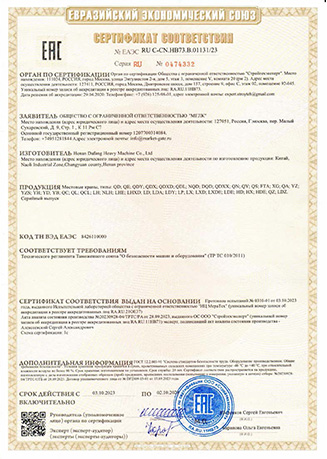
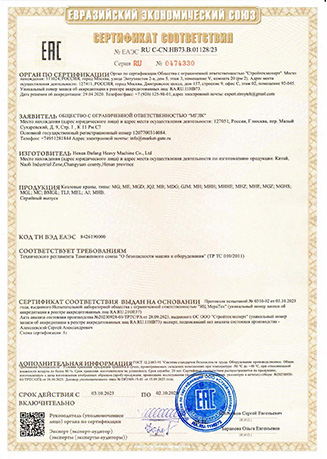
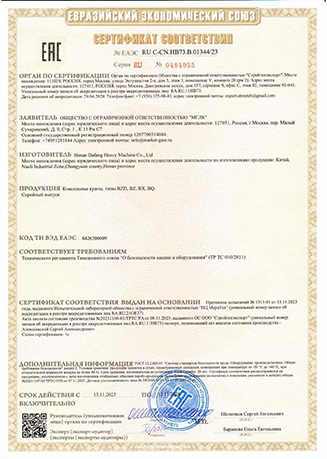
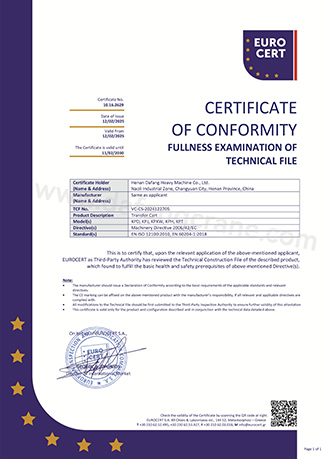
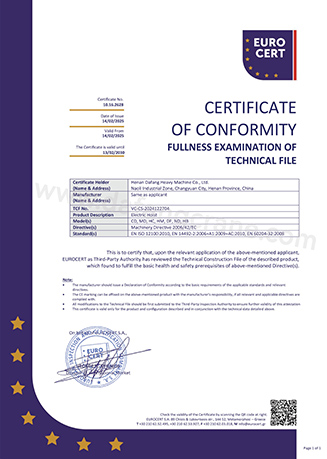
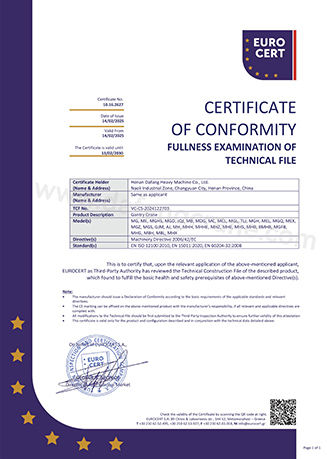
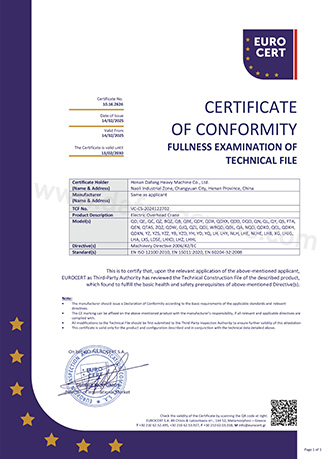
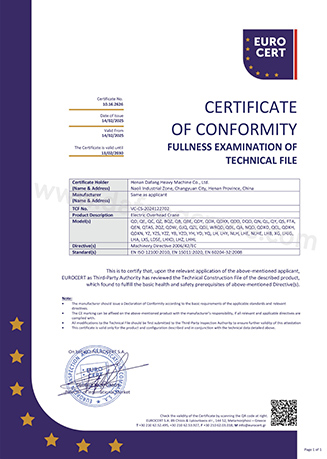


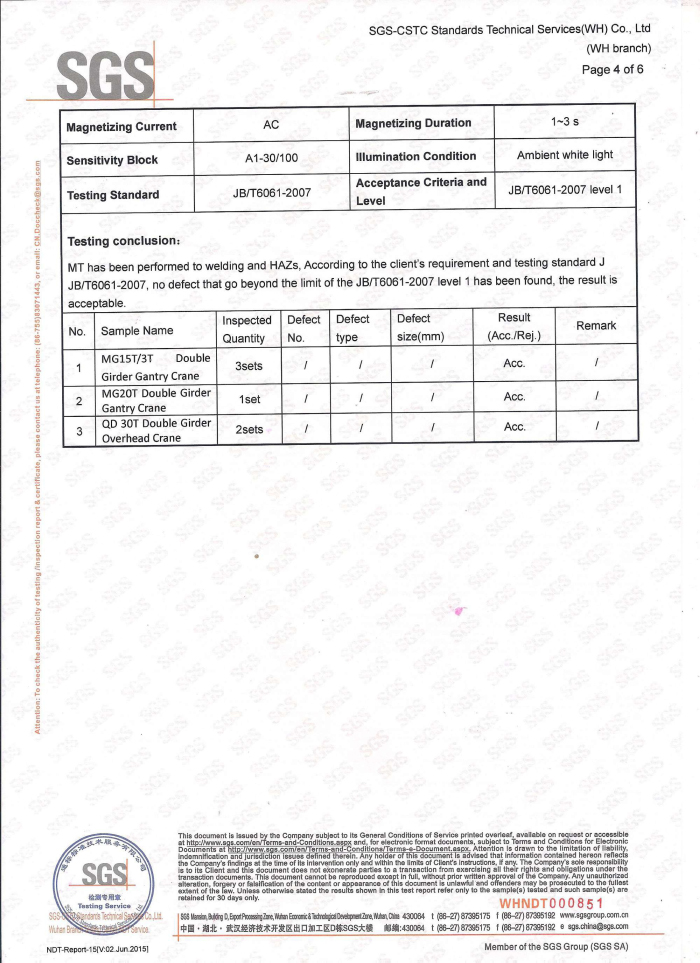


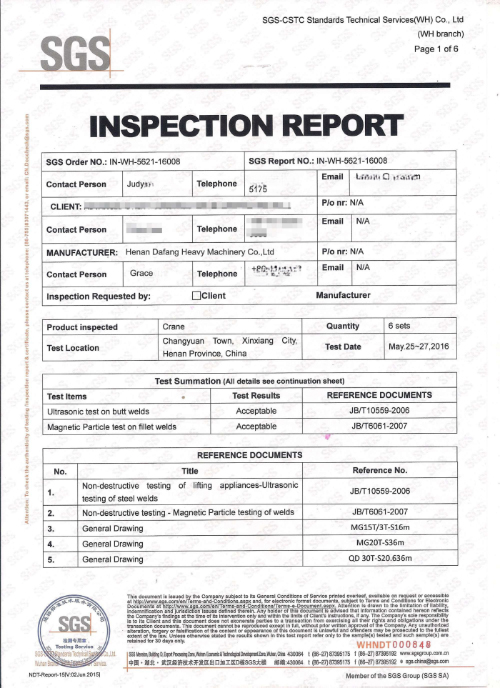
Certificate