Products





24 HOURS SERVICE


CUSTOM SERVICE


INSTALLATION SERVICE


INTELLIGENT SCHEME


PRODUCTION PROCESS
PRODUCT
PRODUCT
Open+
Close-
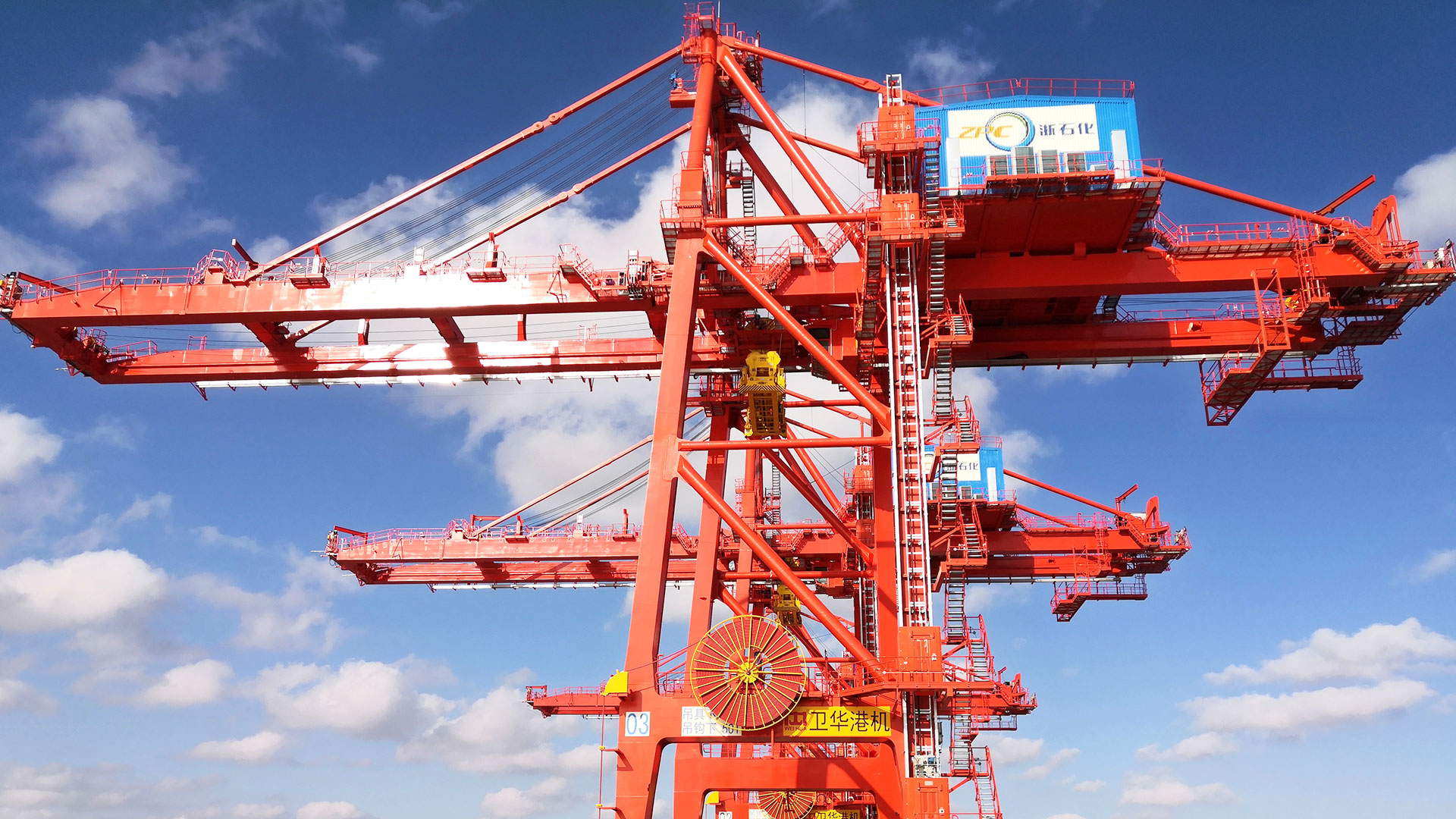
Ship-to-shore Container Crane
PRODUCT DETAILS
Open+
Close-
Rated lifting capacity (under spreader) 40 t / 50 t / 65 t / 75 t
Outreach (seaside) 35 m – 75 m
Backreach (landside) 12 m – 25 m
Rail gauge (span) 30 m – 35 m
Lifting height (above rail) 45 m – 55 m
Lifting height (below rail) 12 m – 25 m
Duty class A6 – A8 (for frequent, heavy‑duty operation)
Deion
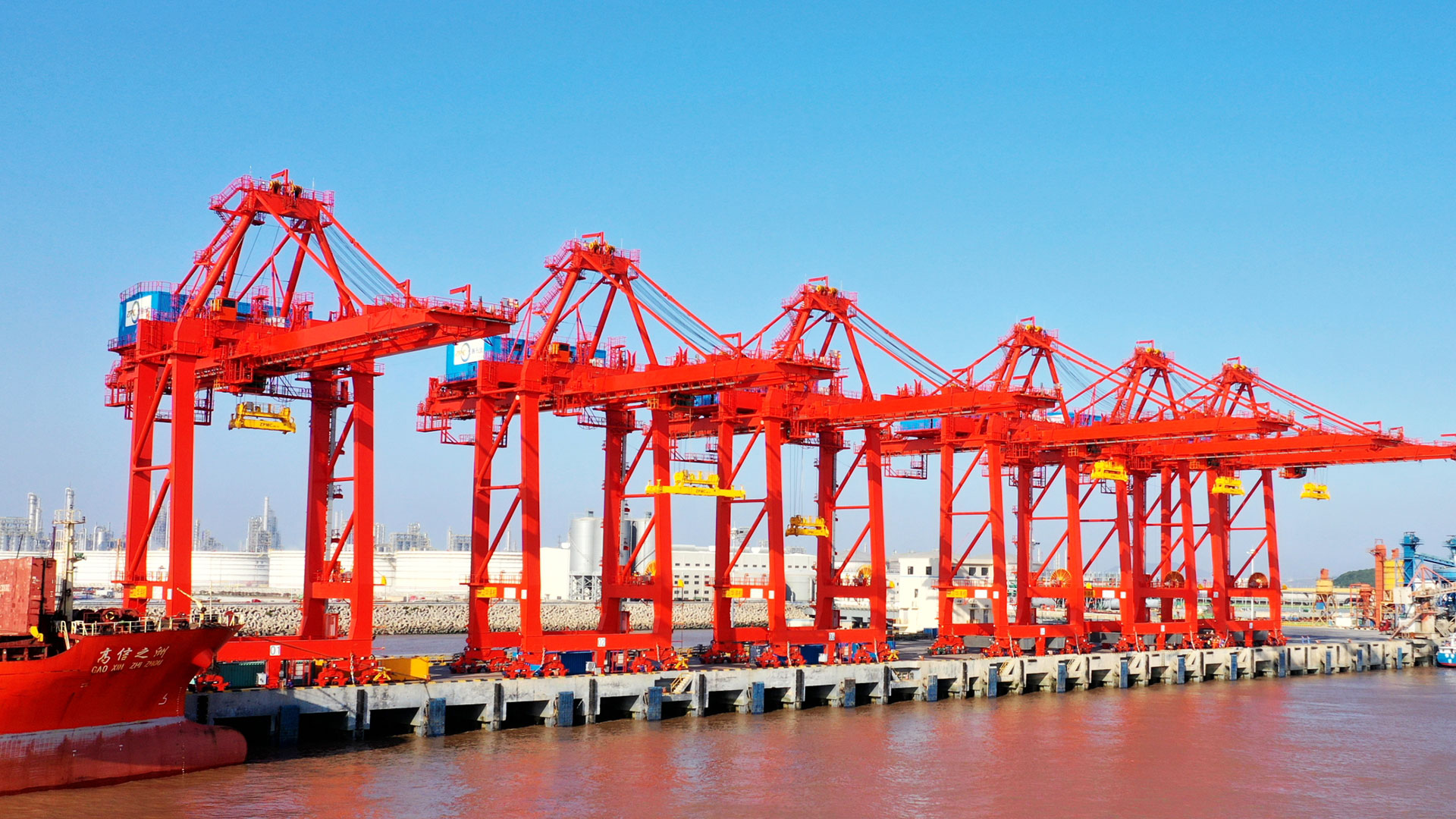
The quay crane (ship‑to‑shore crane) is a professional lifting device used at the front of container terminals for loading and unloading container ships. By manipulating its long front boom, it moves, picks up, and places containers at specific positions. It is the main equipment for handling containers between container ships and the terminal quay.
Main classification methods
Classification by main girder structure:
Single box‑girder structure: Only one box girder, with the trolley running on rails suspended from the main girder; often configured with a loaded trolley that carries the hoisting mechanism on the trolley.
Double box‑girder structure: Two box girders for load bearing, offering higher load capacity; the trolley design is relatively simpler, and the manufacturing process is less demanding.
Classification by trolley structure:
Full rope‑towed trolley: Both hoisting and trolley travel mechanisms are arranged on the fixed bridge, and the trolley is towed by ropes. The trolley is light, but the wire ropes are long and maintenance is difficult.
Semi rope‑towed trolley: The trolley travel mechanism is placed on the trolley, while the hoisting mechanism is placed in a fixed machinery house. This offers convenient control, low maintenance workload, and is the most widely used type.
Self‑propelled trolley: Both hoisting and trolley travel mechanisms are mounted on the trolley, using fewer wire ropes. However, the overall crane weight is relatively large, and power supply via moving cables is difficult, so this type is less common.
Classification by portal frame structure:
H‑shaped portal: Low height, easy to manufacture and assemble, widely used in practice.
A‑shaped portal: Better clearance for ship superstructures.
Classification by front boom structure:
Luffing type: The front boom can be luffed up around a hinge point to clear ships; this is the most common type.
Folding type, telescopic type: Designed for special working conditions.
Classification by number of containers lifted per cycle:
Single‑box type: Lifts one container at a time.
Twin‑box type: Can lift two 20‑ft standard containers simultaneously.
Core structural components
The quay crane mainly consists of the following parts:
Metal structure: Main supporting frame, including the portal system (seaside and landside portal frames), main girders (front boom, middle girder, rear boom), tower frame, tie rod system, machinery house structure, and ladder platforms.
Hoisting mechanism: Controls the vertical lifting and lowering of the spreader to pick up and lower containers.
Trolley travel mechanism: Drives the trolley (carrying the hoisting mechanism and spreader) horizontally along the main girders, transporting containers transversely between the ship and the quay.
Crane travel mechanism: Drives the entire quay crane longitudinally along the rails on the quay front to serve different hatch positions.
Luffing mechanism: Controls the front boom (the part extending to the seaside) to luff upward (typically up to 80°) to allow ships to safely berth and depart.
Electrical system: The core uses AC variable frequency drive and PLC control technology to achieve precise control and stepless speed regulation of the four major mechanisms. High‑power quay cranes use four‑quadrant converters.
Auxiliary mechanisms: Include hydraulic tensioning devices, spreader tilting mechanisms, crane cable reel mechanisms, etc.
Dedicated spreader: Hydraulic telescopic rotatable spreader suitable for different container sizes (20 ft, 40 ft, 45 ft, etc.). When equipped with a twin‑box spreader, it can lift two 20‑ft containers simultaneously.
Safety devices: Include overload limiters, limit switches, anemometers, anti‑collision devices, typhoon anchoring devices, etc.
Main application scenarios
Port container terminals: For efficient loading/unloading of containers, meeting the fast handling requirements of large container ships.
Railway freight yards: For rapid transfer between railway containers and road transport, optimising intermodal transport processes.
Intermodal hubs: For fast transshipment of containers at road/rail/water intermodal centres.
Special situations: Some terminals use the large span and backreach of quay cranes to directly perform yard operations.
PRODUCT INFO
Open+
Close-
Core Features
Ultra‑large size and high efficiency: To accommodate ultra‑large container ships, the outreach can reach over 70 meters and the lifting height over 50 meters. Twin‑trolley quay cranes can increase loading/unloading efficiency by more than 50%.
Fast and smooth operation: High‑power variable frequency drive technology ensures high hoisting and trolley traveling speeds with smooth start/stop. The crane features high power, high inertia, and four‑quadrant operation, meeting the demands of frequent start/stop braking and significant vibration impact while maintaining smooth constant‑torque speed control and full power output under high‑speed field‑weakening conditions.
Automation and intelligence: Supports fully automatic, semi‑automatic, and remote control modes. With vessel profiling systems, truck positioning systems, automatic anti‑sway and anti‑twist systems, and intelligent tally systems, it achieves automatic container pickup/landing, automatic loading/unloading, and remote monitoring.


Rugged and durable structure: High‑strength steel welded box‑girder structure, optimised through finite element analysis, ensures structural rigidity and fatigue resistance. The entire machine is treated with anti‑corrosion coating to withstand high‑salt‑spray marine environments.
Multi‑condition adaptability: Equipped with a hydraulic telescopic rotatable spreader, and interchangeable grabs, hooks and other multi‑function components, enabling “one machine for multiple uses” in handling containers, break‑bulk cargo, and bulk cargo.
Comprehensive safety protection: Integrates overload protection, overspeed protection, anemometers, typhoon anchoring devices, anti‑collision devices, safety monitoring systems, etc., ensuring the safety of personnel and equipment.

PRODUCT PHOTO

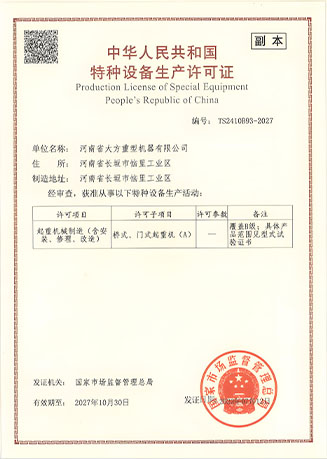
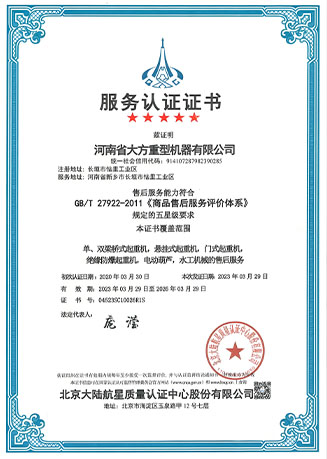
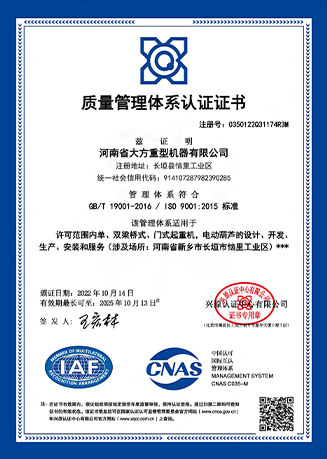
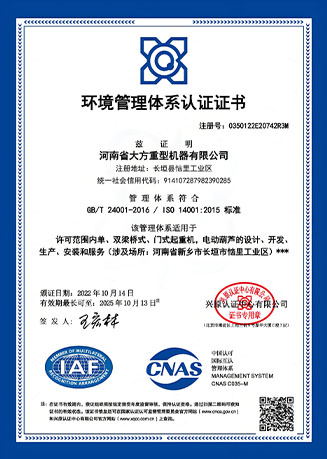
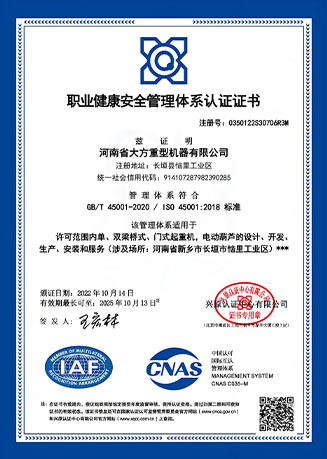
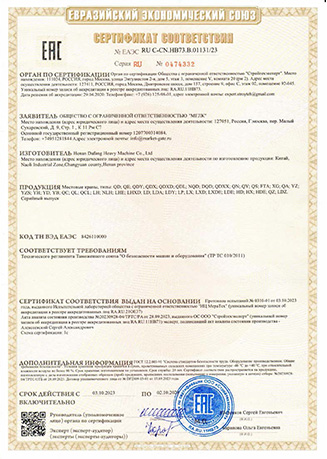
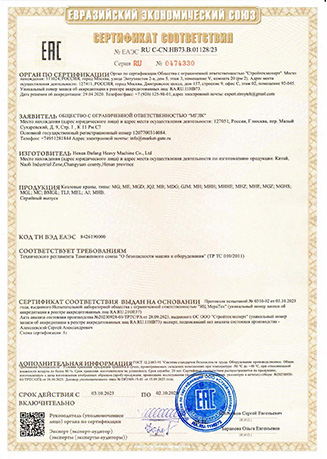
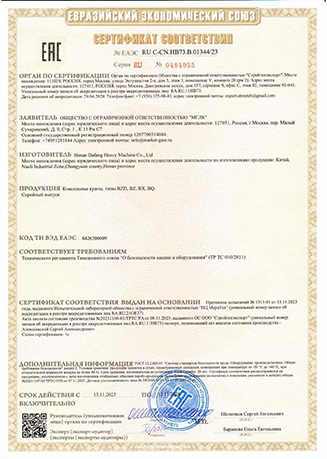
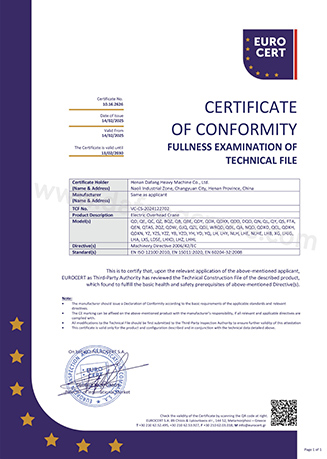


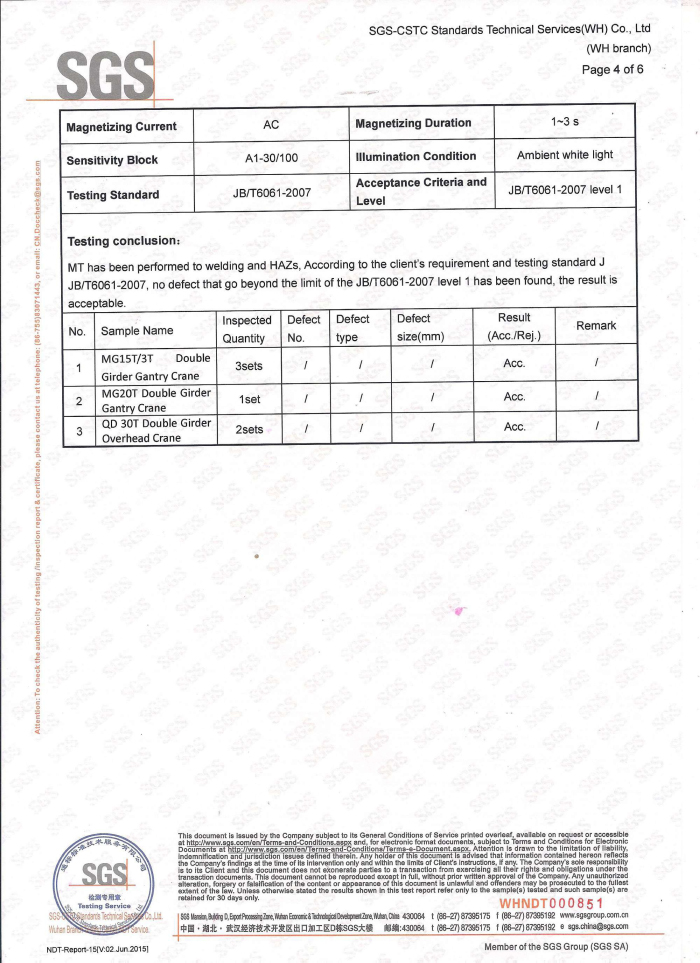
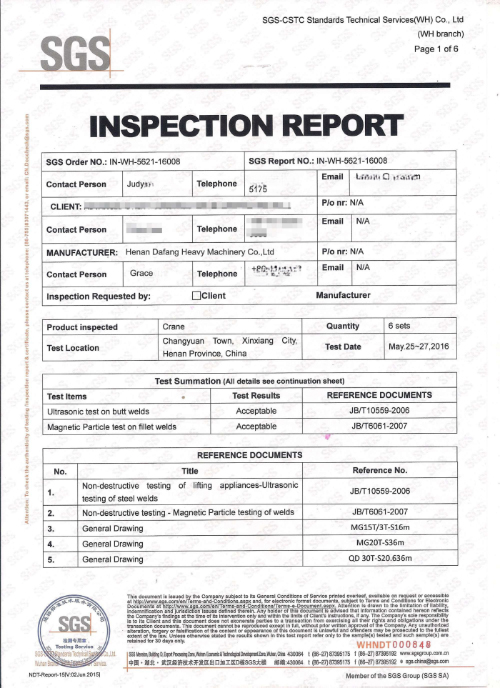
Certificate