Products





24 HOURS SERVICE


CUSTOM SERVICE


INSTALLATION SERVICE


INTELLIGENT SCHEME


PRODUCTION PROCESS
PRODUCT
PRODUCT
Open+
Close-
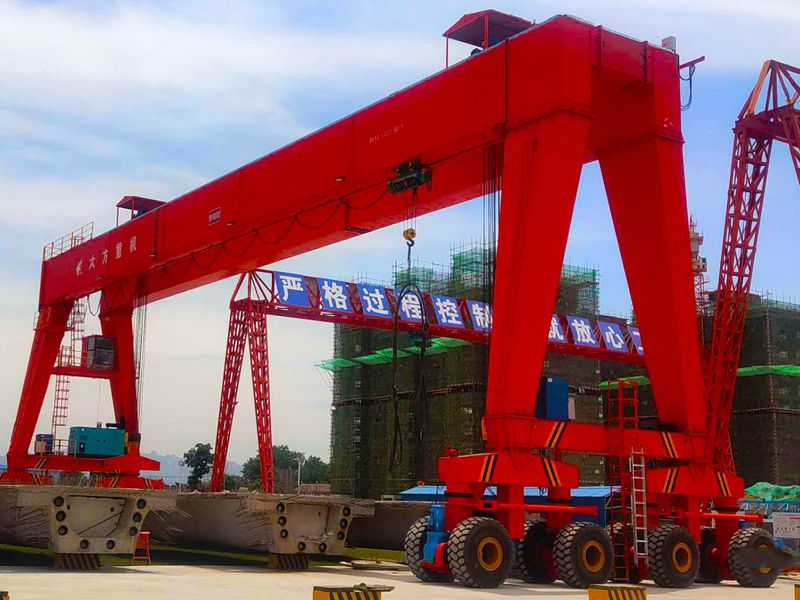
tire crane
PRODUCT DETAILS
Open+
Close-
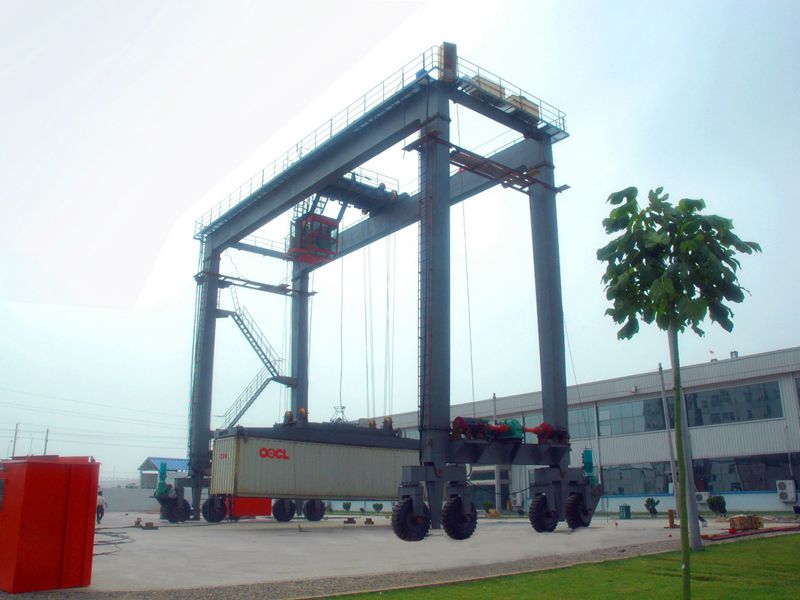
The tire crane has broken away from the traditional mobile machinery drive forms (mechanical, hydraulic, DC electric drive) and adopted AC drive. It uses a diesel‑AC generator set and drives each working mechanism through frequency converters. Equipped with a PLC that manages the AC frequency converters, it achieves controlled soft start and stepless speed regulation, runs smoothly, and provides zero‑speed braking for each mechanism.
The tire crane has freed itself from the traditional dependence on rails. Using specially designed large‑size tyres as its support, it can adapt to various terrains and achieve 360° full rotation. Even in very narrow spaces, it can move freely, demonstrating superior mobility and adaptability. In addition, compared with crawler tracks, tyre damage to the ground is almost negligible.
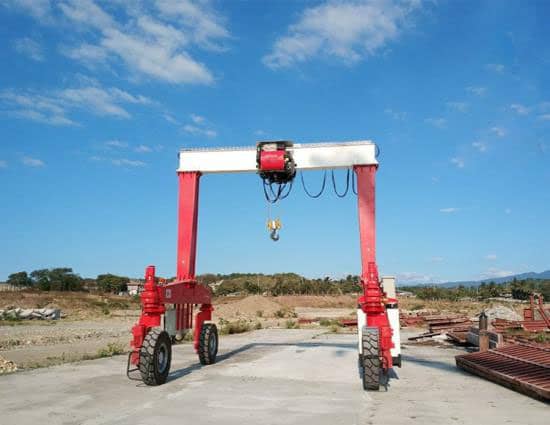
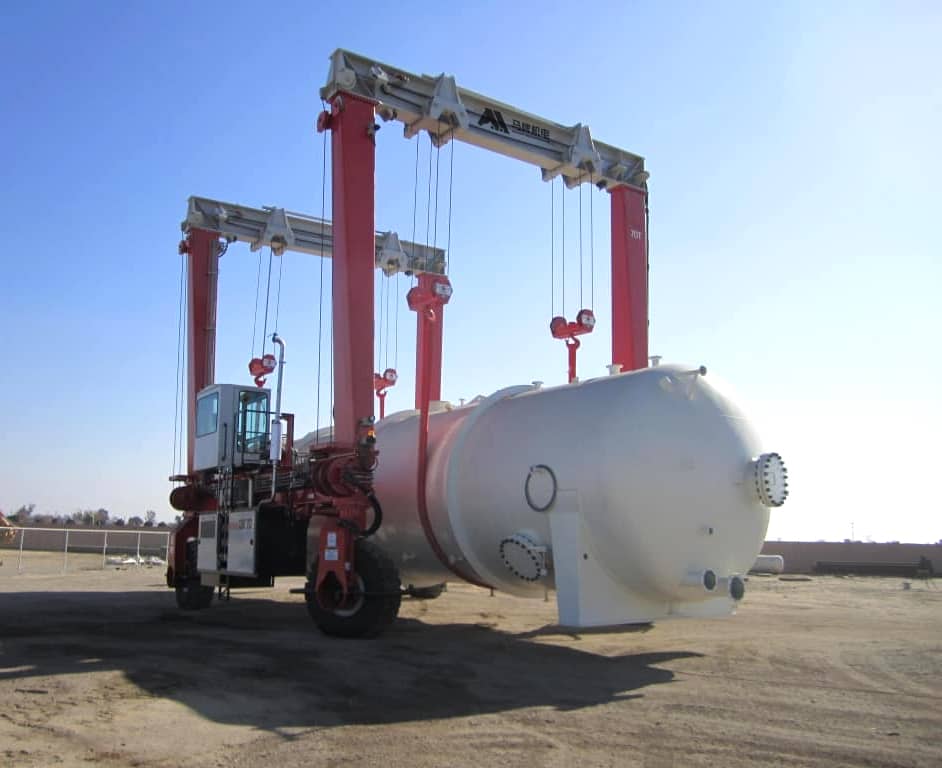
Tire cranes are widely used in construction sites, ports, freight yards, factories, and other fields. According to the structural form, they can be divided into single‑beam tire cranes and double‑beam tire cranes.
Application scenarios
Scenario Specific use
Ports and terminals:Loading/unloading and lifting of general cargo; as a backup machine for container handling, used for transferring 20‑ft and 40‑ft containers in container yards
Warehouses and freight yards:General loading/unloading operations, suitable for narrow working spaces
Factories and enterprises:Lifting and hoisting operations in industrial and mining enterprises, construction sites, etc.
Transportation construction:Railway construction, road and bridge elevated works, municipal engineering, etc.
PRODUCT INFO
Open+
Close-
Core Features
High mobility and flexibility: Capable of in‑situ rotation (360°), lateral or even diagonal movement, allowing rapid switching between different work areas.
Wide range of multi‑purpose applications: By changing the spreader, it can handle various materials from 20 tons to over 500 tons, adapting to bulk cargo, steel, port containers, etc.
High efficiency, stability and safety: An advanced anti‑sway system ensures smooth lifting; overload protection, anti‑tipping devices and automation control technologies provide comprehensive safety for both personnel and equipment.

PRODUCT PHOTO

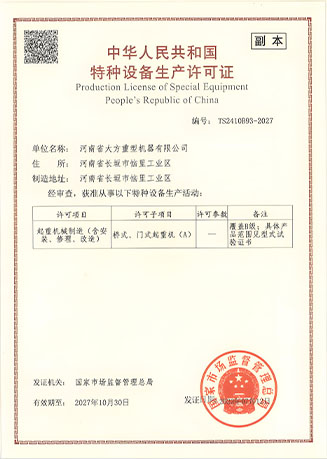
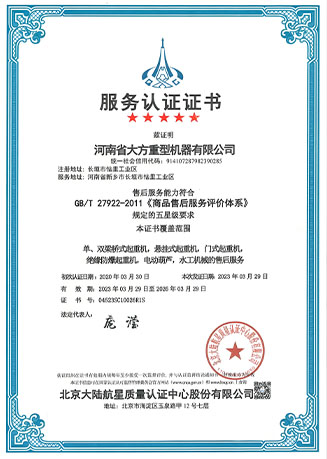
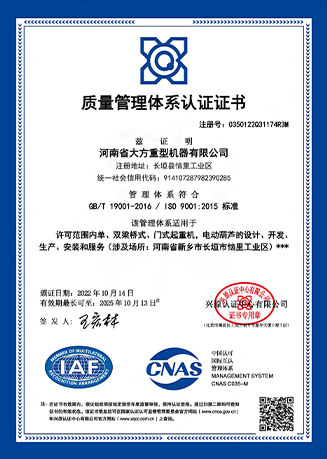
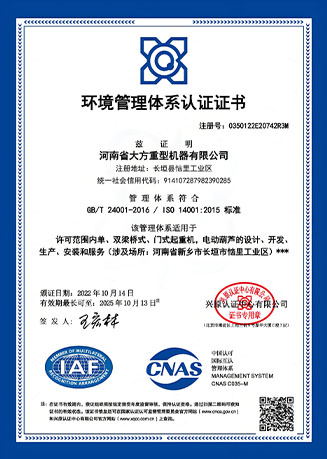
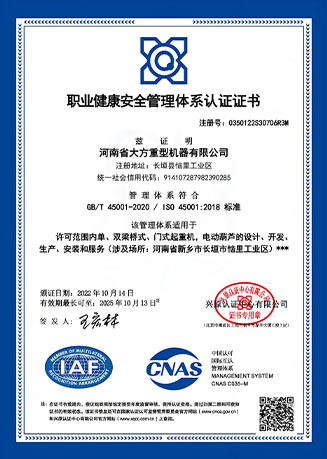
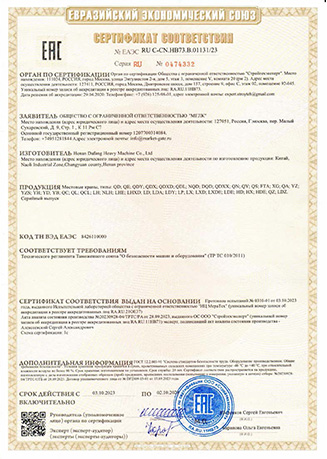
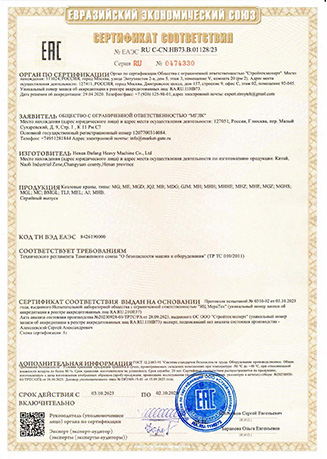
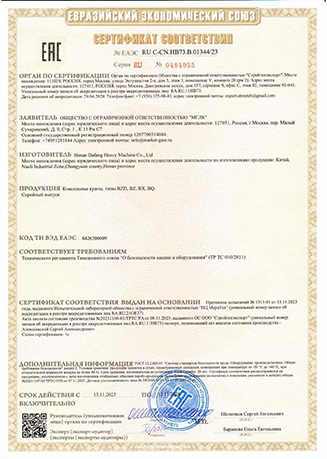
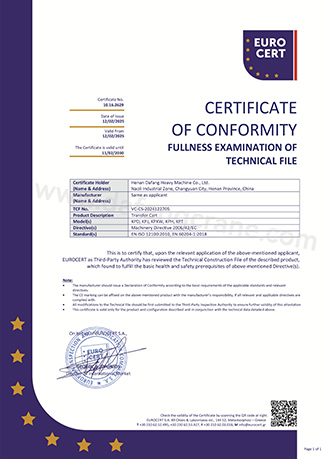
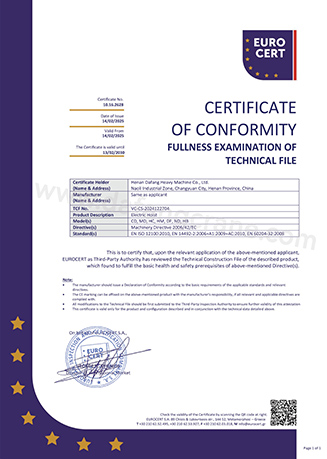
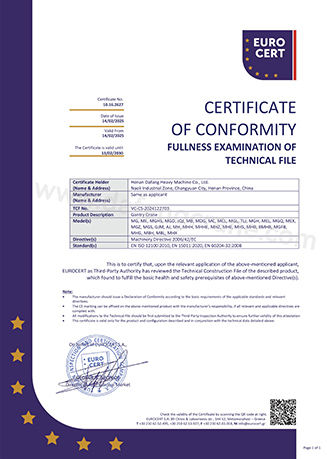
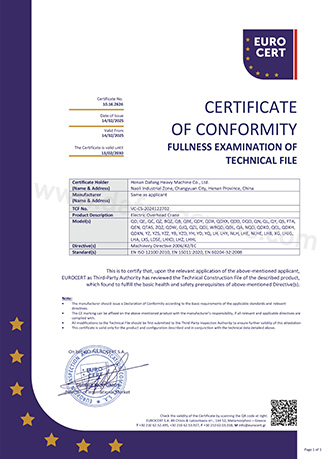
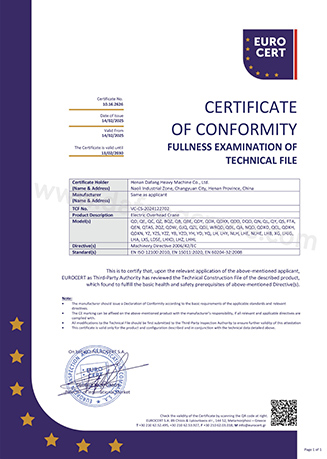


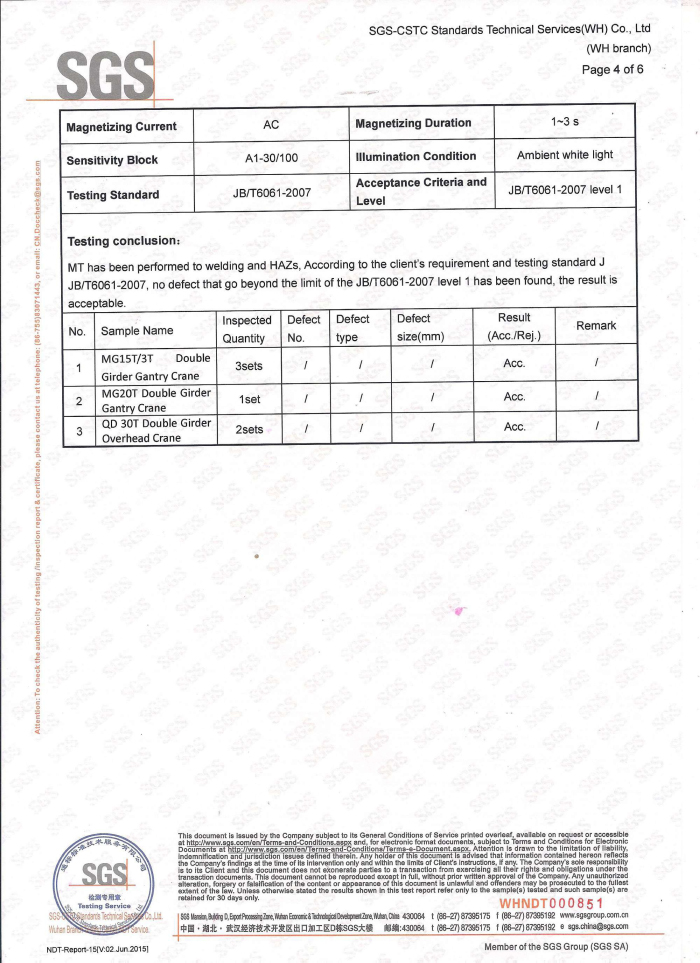
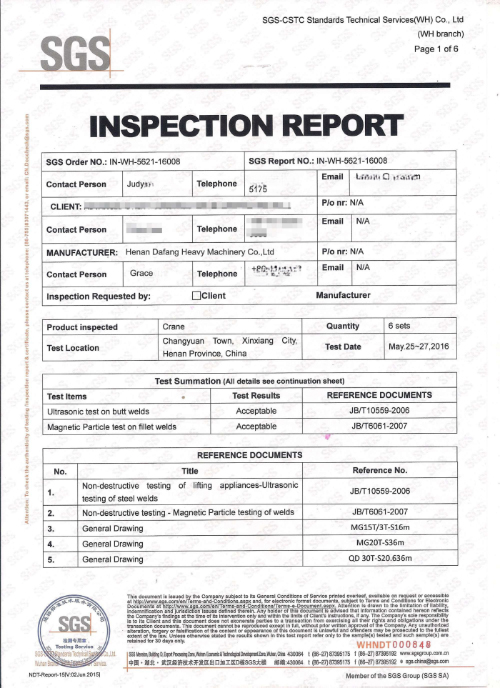
Certificate