Products





24 HOURS SERVICE


CUSTOM SERVICE


INSTALLATION SERVICE


INTELLIGENT SCHEME


PRODUCTION PROCESS
PRODUCT
PRODUCT
Open+
Close-
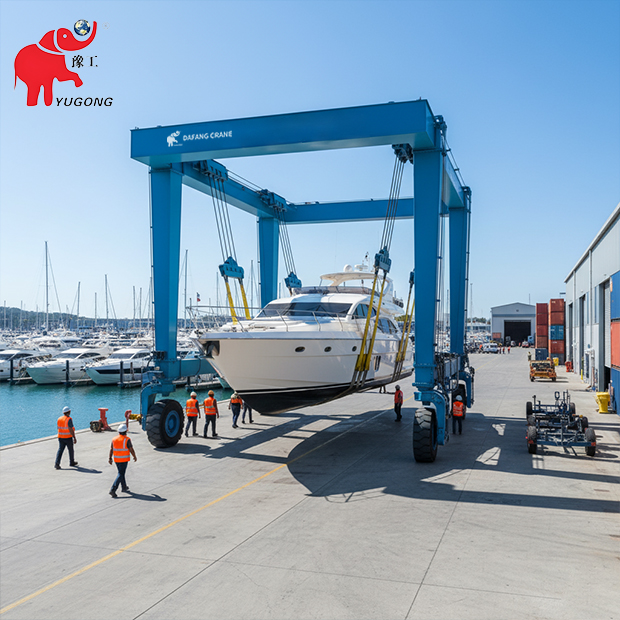
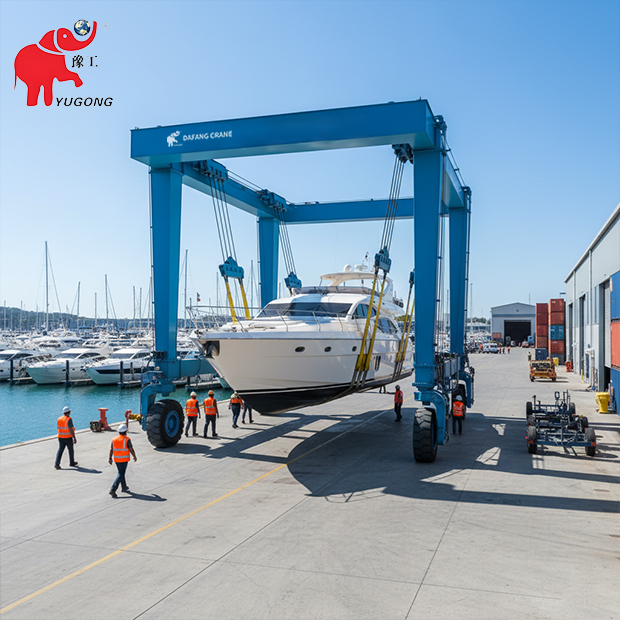
Mobile ship crane
PRODUCT DETAILS
Open+
Close-
Rated lifting capacity (t):5 ~ 1200 t
Applicable vessel types:Motorboats, sailboats, workboats, catamarans, luxury yachts, etc.
Main girder span (m):Customised according to vessel beam
Lifting clearance height (m) :2 ~ 18 m
Lifting speed (m/min) Full load: 0~2 / No load: 0~5
Travel speed (m/min) Full load: 0~20 / No load: 0~35
Minimum turning radius (m):Capable of in‑situ turning; some models ≤5 m
Gradeability (%):2% ~ 4%
Duty class:A5 ~ A8
Operation mode Wireless remote control / Cab
Deion
The mobile ship crane is a lifting device specially designed for yachts and small vessels. It undertakes the tasks of lifting, transferring and positioning yachts. It is not only an indispensable "transporter" throughout the yacht's life cycle, but also a key tool for ensuring yacht safety and improving terminal operation efficiency. The safety control system and comprehensive protective measures equipped on the yacht crane ensure the safety of operators as well as the safety of the yacht during lifting operations.
Core structure and key technologies
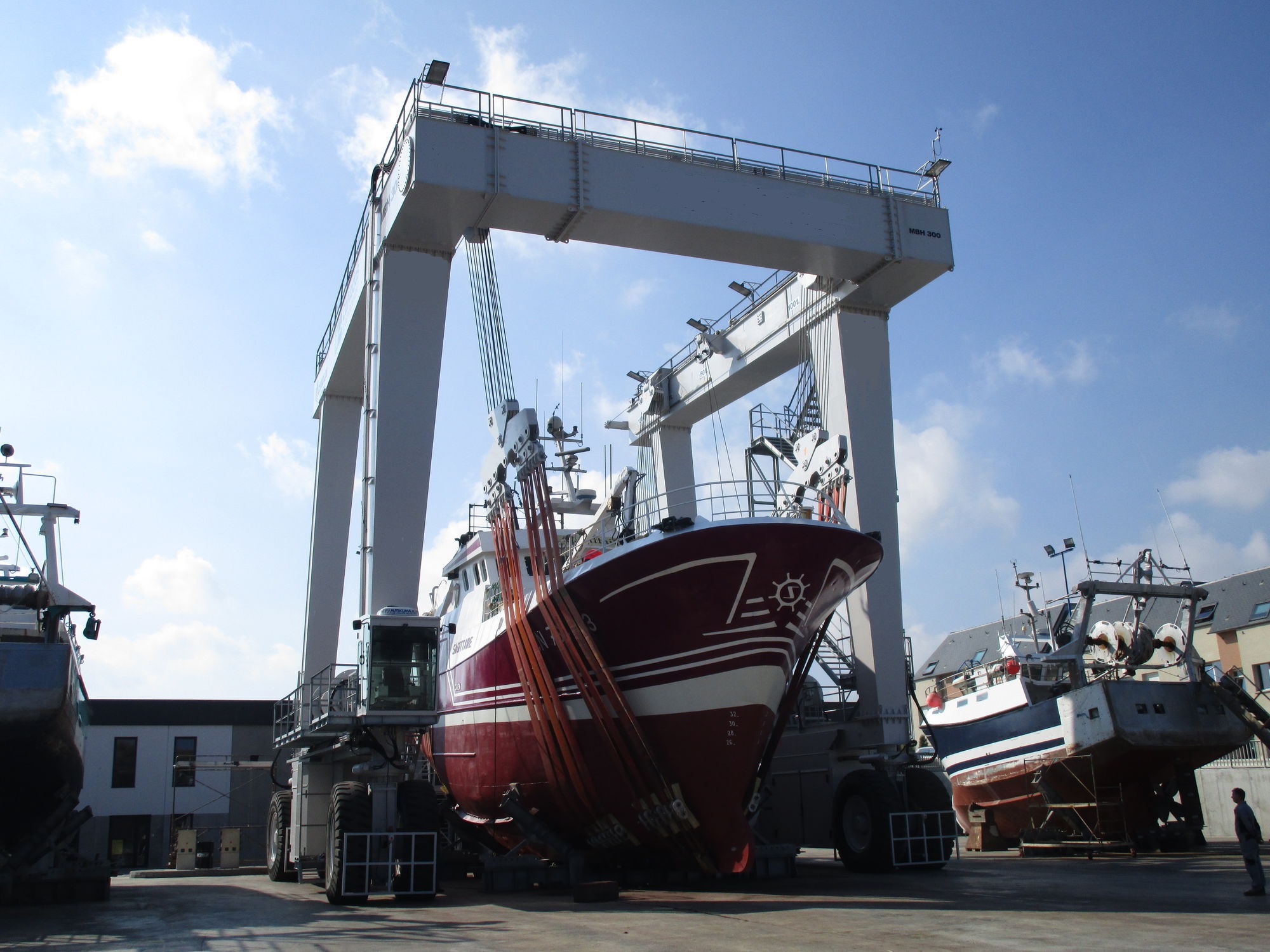
1.Special "U" or "C" shaped structure: This open frame design cleverly integrates the crane's load‑bearing and travelling capabilities, solving the problem where the lifting height might exceed the machine’s own height limitation.
2.Flexible suspension system: Equipped with multiple lifting points that can be raised/lowered independently. An automatic levelling system ensures that the hull remains stable during lifting, preventing uneven stress distribution. The width of the lifting beam can also be adjusted to suit different vessel sizes.
3.Advanced travel and steering system: The powerful tyre‑type travel mechanism and hydraulic drive system provide excellent traction and gradeability (up to 2%~4% under full load), ensuring stable travel even on slippery wharves.
4.Intelligent protection technology: The highly integrated PLC and sensor system not only coordinates all movements, but also provides "internal stress release technology" that prevents structural damage caused by changes in road conditions.
Main application scenarios
1.Marinas and yacht clubs: For daily launching and hauling of vessels, enabling dry storage and flexible scheduling, maximising space utilisation.
2.Boatyards and repair yards: For launching new vessels, transport for refitting, as well as high‑precision repair and painting operations.
3.Regattas and public services: Serves water sports bases (e.g., large sailing regattas) for vessel dispatch, and also for rapid deployment and maintenance of official patrol and rescue vessels.
PRODUCT INFO
Open+
Close-
Core Features
Zero damage to the hull: This is the most significant advantage. The equipment abandons traditional lifting methods, using wide, soft synthetic slings that lift from under the hull, evenly distributing pressure. It perfectly protects expensive hull materials such as fiberglass and carbon fibre.
Mobility and flexibility: All‑wheel hydraulic steering technology enables 360° in‑situ turning, oblique movement, crab walking and other flexible manoeuvres, allowing easy operation even in narrow marinas.
Intelligent safety: PLC intelligent control is equipped with multiple safety systems such as overload protection, emergency braking, and wind speed monitoring. Electronic anti‑sway and other functions enable millimetre‑level fine movements – smooth and precise.
High efficiency and economy: A single operator can complete all operations via remote control, greatly saving labour. The equipment requires no installation and is self‑powered, allowing rapid deployment.
Environmental protection and durability: The entire machine is treated with high‑standard anti‑corrosion protection, easily resisting salt spray erosion at the seaside. More environmentally friendly pure electric or hybrid power versions are also available, meeting modern requirements for energy saving and noise reduction.

PRODUCT PHOTO

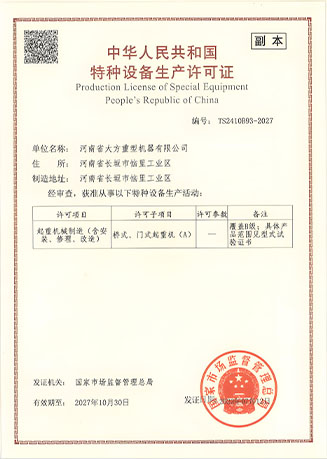
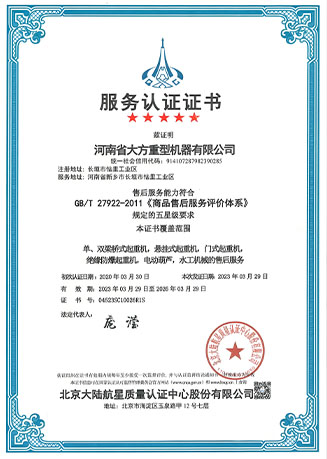
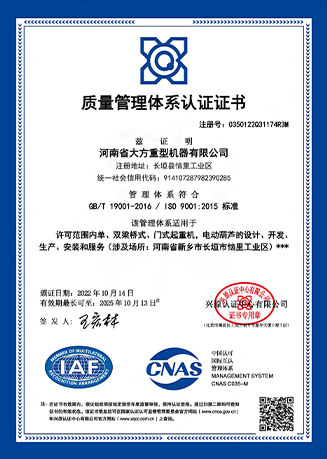
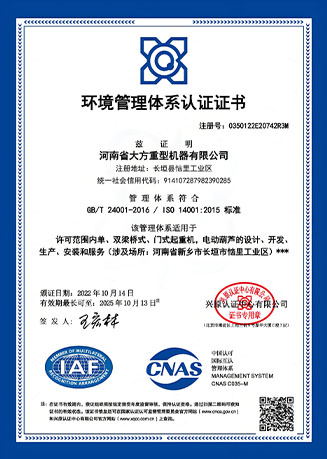
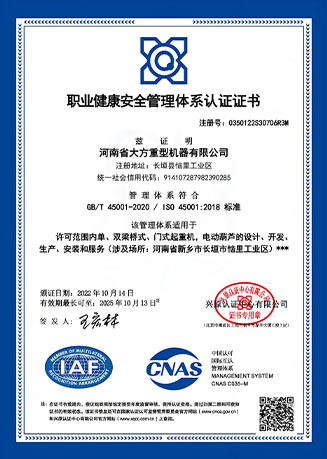
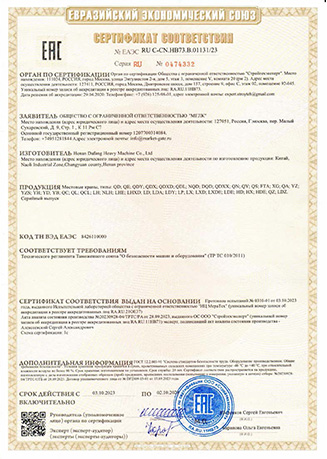
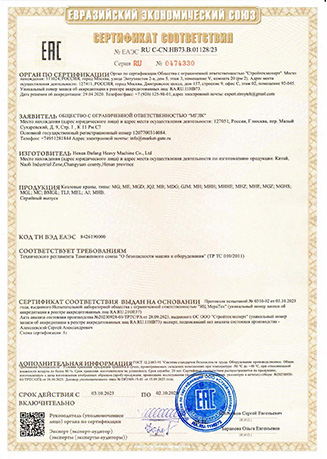
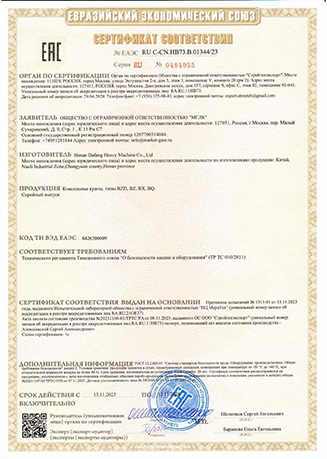
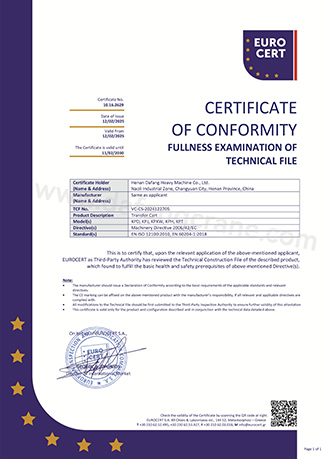
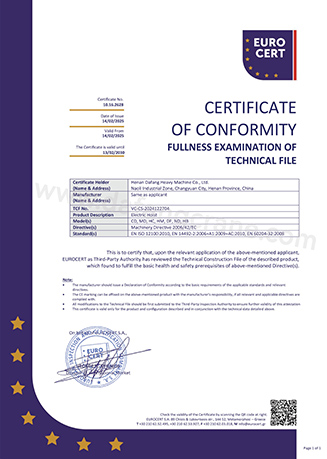
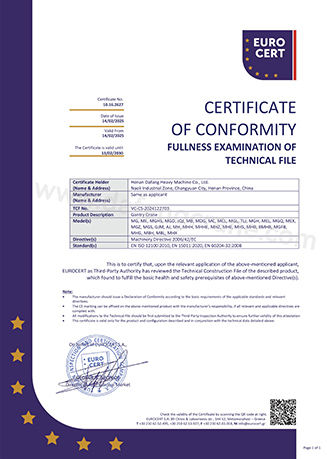
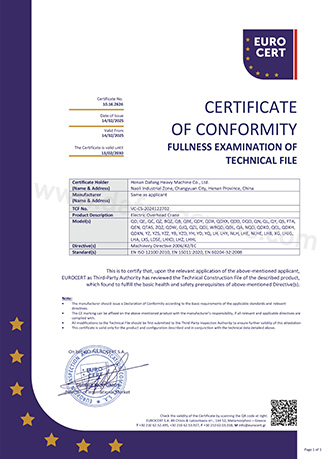
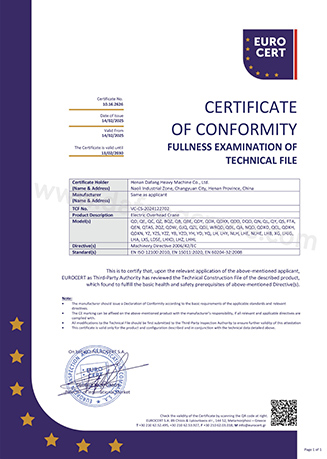


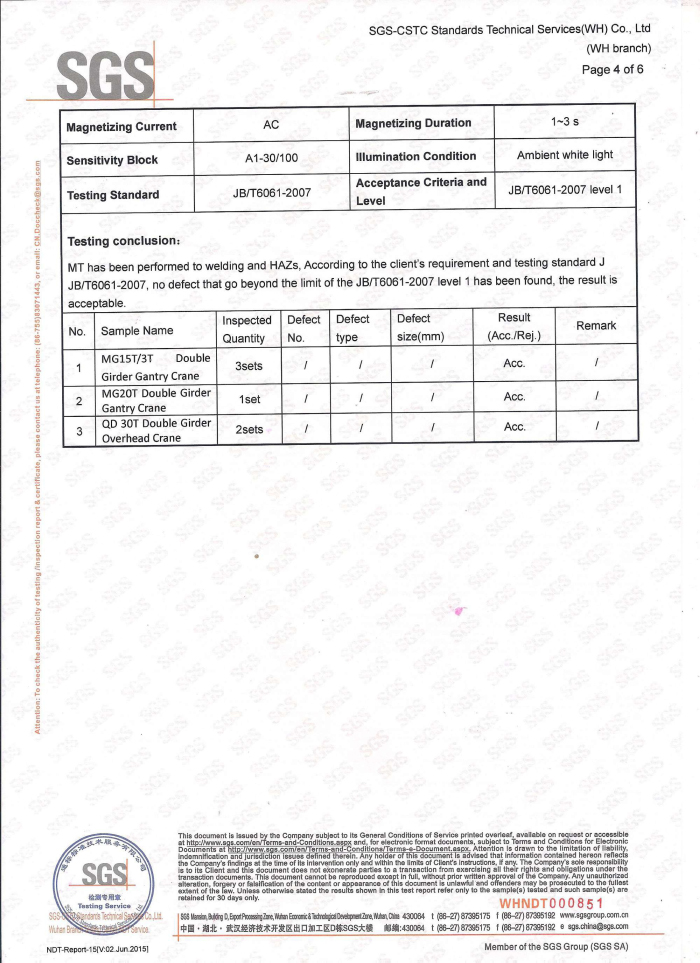


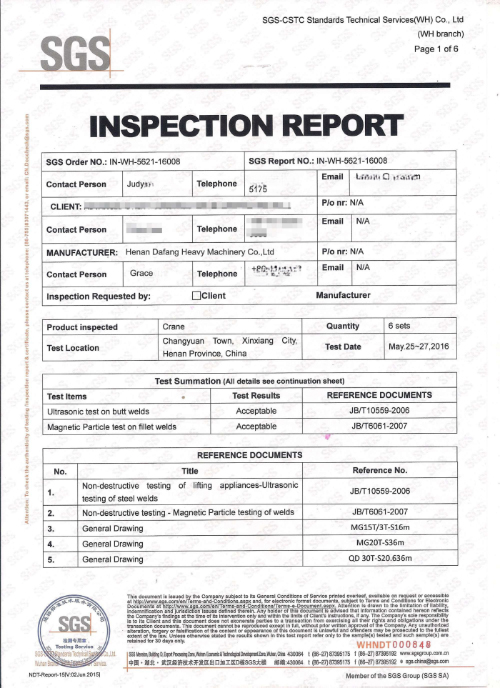
Certificate