Products





24 HOURS SERVICE


CUSTOM SERVICE


INSTALLATION SERVICE


INTELLIGENT SCHEME


PRODUCTION PROCESS
PRODUCT
PRODUCT
Open+
Close-
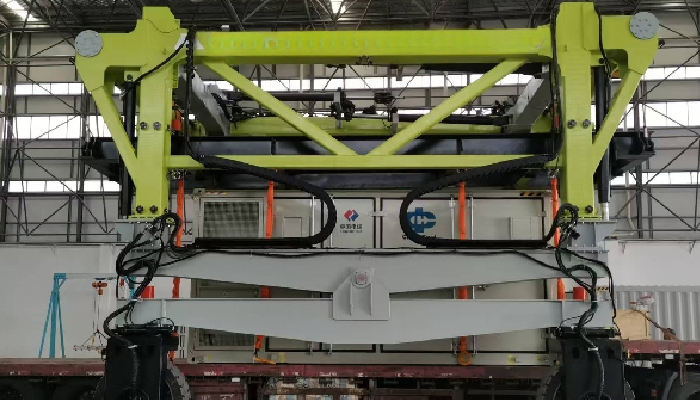
Container transport vehicle
PRODUCT DETAILS
Open+
Close-
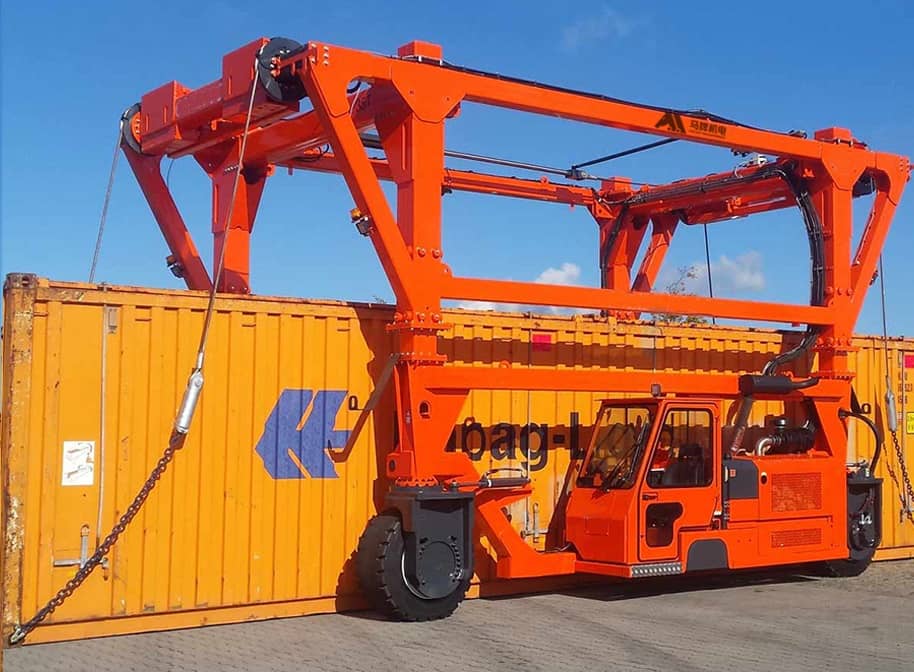
Container straddle carriers are specialized handling equipment used for horizontal transport and stacking operations between the front of a container terminal and the yard. Due to their flexibility and high operational efficiency, they have become key equipment at many container terminals worldwide.
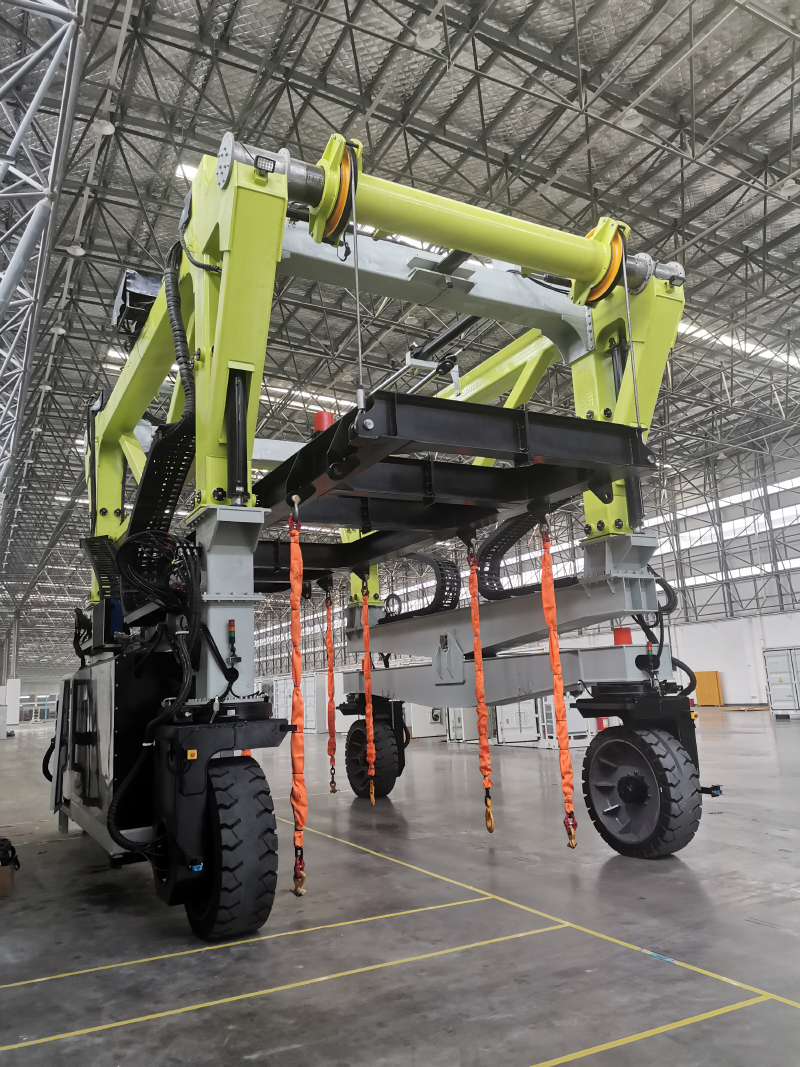
Container straddle carriers are typically equipped with telescopic spreaders, allowing them to conveniently pick up and place containers from trucks, railway flatcars, or the ground. Their chassis is fitted with rubber tires, making them suitable for travel on paved surfaces. Compared to traditional gantry cranes, straddle carriers do not rely on fixed rails and can therefore move freely in warehouses or yards, greatly improving operational flexibility and efficiency. In addition, straddle carriers can incorporate automated and semi-automated technologies (optional), such as GPS navigation, laser distance measurement, obstacle detection, etc., to further enhance operational efficiency and safety.
Container straddle carriers are equipped with advanced sensing and monitoring systems, enabling them to independently complete automatic identification, positioning, movement, and loading/unloading of heavy containers. They feature high synchronization accuracy for lifting, stepless speed control, and strong overload capacity, effectively improving the safety and efficiency of logistics operations. Compared with the 3% gradeability of traditional tire cranes, the new generation of straddle carriers can climb a 10% steep slope at full load – a remarkable capability! In terms of power type, straddle carriers can be divided into electric and diesel models.
Working Principle
Straddling: The vehicle drives so that its gantry frame straddles the target container.
Lifting: The hydraulic or electric system is activated to lower the container spreader. The twistlocks at the four corners of the spreader lock onto the four corner castings of the container.
Transporting: The container is lifted up inside the frame, and the vehicle travels to the destination location.
Lowering/Stacking: The hydraulic lifting system precisely places the container at the designated stacking position or directly onto a truck.
Spreaders are classified as fixed type (can only handle one container size) or telescopic type (flexibly adjustable to handle various sizes such as 20 ft and 40 ft).
Application Scenarios
Horizontal transport: Rapidly moving containers between the quayside and the yard.
Yard stacking: Orderly stacking containers in the yard; common models generally stack 2–3 layers high.
Loading/unloading: Directly loading or unloading containers from trucks or trains.
PRODUCT INFO
Open+
Close-
Features
Multi-function integration: Capable of independently completing horizontal transport, stacking, and loading/unloading operations, simplifying the terminal handling system.
Maneuverable and flexible: Rubber-tired travel mechanism enables flexible steering and fast positioning. It can pick up containers without requiring precise alignment by the quay crane, improving overall operational efficiency.
High operational efficiency: Handles 20–25 standard containers per hour.
Stable and reliable: The frame structure provides excellent stability, and the drive system offers high reliability.
FEM design standard: Finite Element Analysis is performed during the design phase to ensure design safety and structural stress integrity.
Imported brands for core components: Low failure rate and long service life.
World-class advanced control system: Advanced programming technology improves the reliability of crane travel and operation.
Flexible driving: Features multiple steering modes, easily controlled via remote control or from the cab.
Space saving: Small turning radius reduces the working space required for the equipment.
Cost saving: No need to build rails or lay concrete pavement; it can run smoothly on compacted ground.

PRODUCT PHOTO

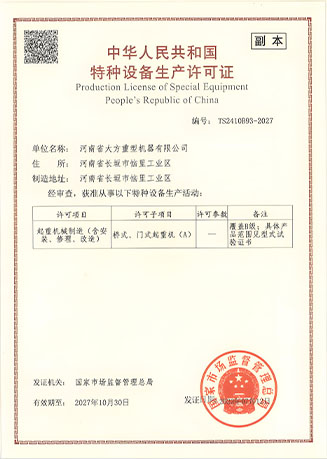
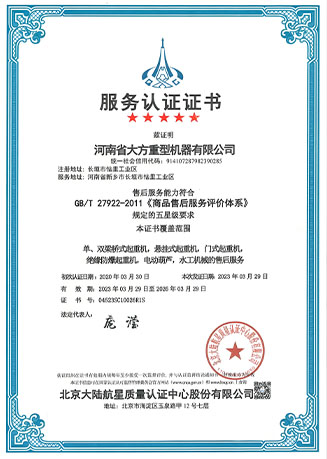
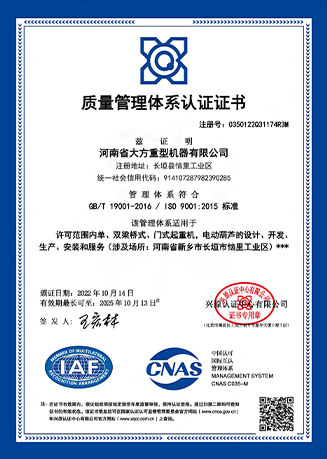
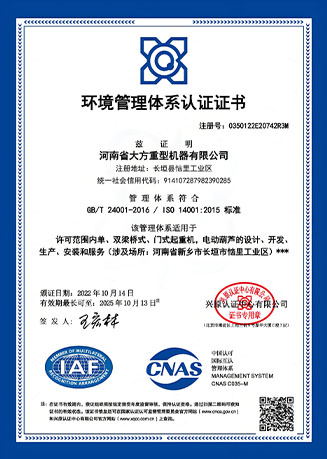
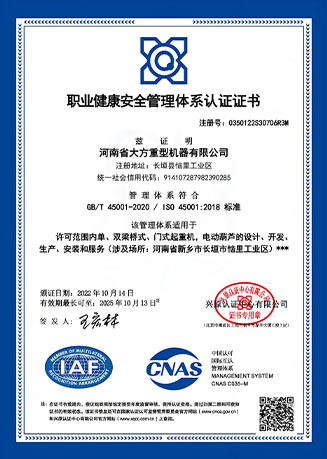
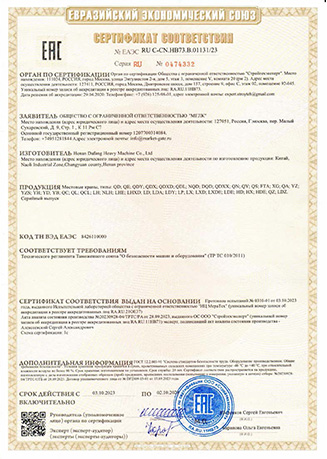
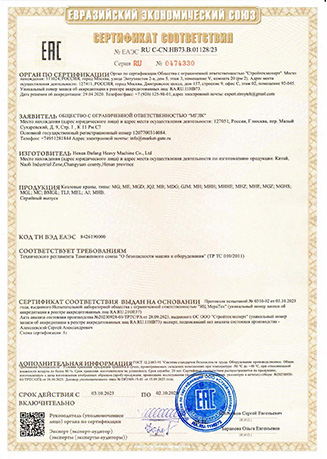
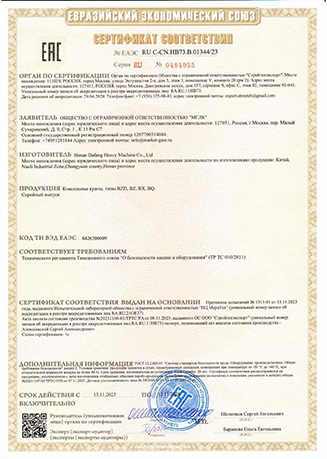
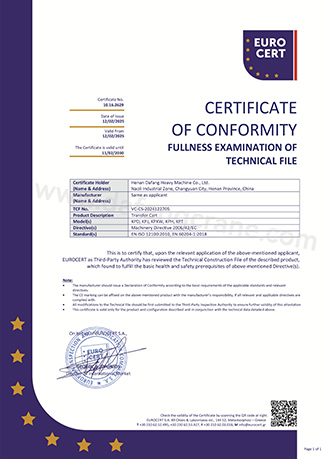
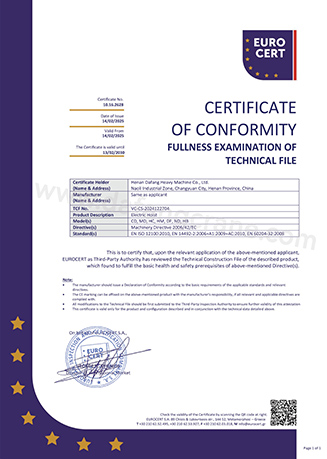
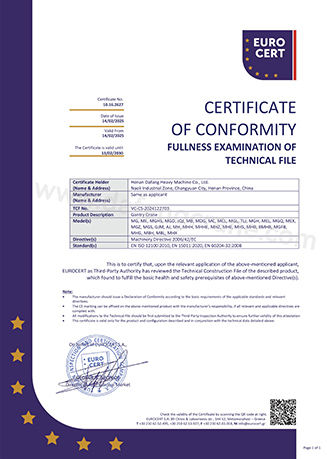
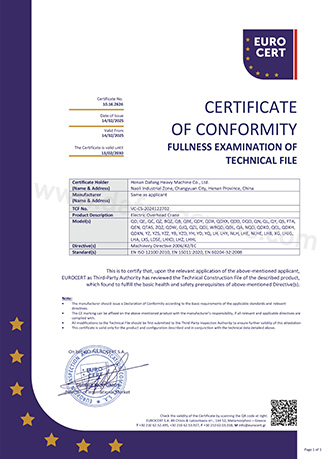
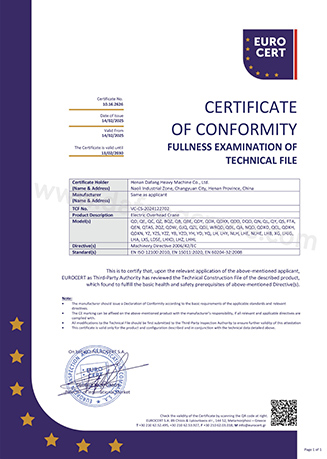


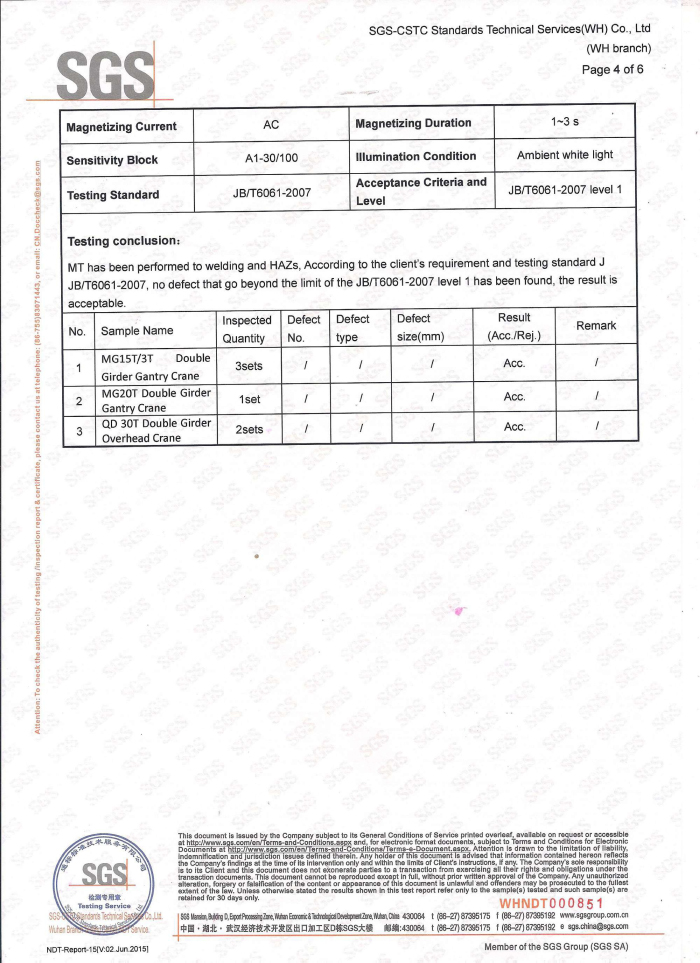
Certificate